
Understanding AI and Telehealth in Diabetes Care
Diabetes management has traditionally relied on regular in-person consultations with healthcare professionals. However, the advent of artificial intelligence (AI) and telehealth has introduced innovative approaches that can potentially revolutionize how diabetes care is delivered. Telehealth, which encompasses a range of technologies to facilitate remote clinical services, allows patients to engage with their healthcare providers from the comfort of their homes. This is particularly beneficial for individuals managing chronic conditions like diabetes, where routine monitoring and timely interventions are crucial.
AI enhances telehealth by enabling the analysis of large datasets generated from various sources, including continuous glucose monitors (CGMs), electronic health records (EHRs), and patient-reported outcomes. By processing this data, AI algorithms can identify patterns and trends in glucose levels, medication adherence, and lifestyle factors, which are essential for personalized diabetes management. This integration not only supports clinicians in making informed decisions but also empowers patients to take an active role in their care, leading to improved health outcomes.
The synergy between AI and telehealth can facilitate continuous monitoring of diabetes patients, allowing for real-time adjustments to treatment plans based on individual responses. For example, if a CGM indicates a consistent pattern of hyperglycemia following meals, AI can suggest dietary modifications or medication adjustments that the clinician can discuss with the patient during a telehealth visit. This proactive approach can significantly reduce the risk of complications associated with poorly managed diabetes.
Furthermore, telehealth platforms can enhance access to diabetes education and support resources. Many patients may feel isolated in their management of diabetes, but telehealth can provide a sense of community through virtual support groups and educational webinars. This aspect is particularly important for populations that may have limited access to diabetes specialists or educational resources, ensuring that all patients receive the knowledge and support they need to effectively manage their condition.
Mechanisms of AI and Telehealth Integration
The integration of AI into telehealth platforms is a transformative development in diabetes care, facilitating real-time data analysis and personalized feedback. AI algorithms can analyze data from CGMs, EHRs, and patient-reported outcomes to provide insights that inform clinical decision-making. For instance, by examining glucose trends over time, AI can help identify episodes of hypoglycemia or hyperglycemia, enabling clinicians to adjust treatment plans proactively before complications arise.
One of the key mechanisms through which AI supports diabetes management is through predictive analytics. By leveraging historical data and machine learning techniques, AI can forecast potential health events, such as the likelihood of a patient experiencing severe hypoglycemia based on their glucose patterns and medication adherence. This predictive capability allows for timely interventions, which can be communicated through telehealth consultations, ensuring that patients receive the necessary support to prevent adverse outcomes.
Moreover, AI can enhance medication management by analyzing adherence patterns and suggesting adjustments based on individual responses. For example, if a patient consistently reports high glucose levels despite adherence to prescribed medication, AI can flag this issue for the clinician to address during a telehealth visit. This personalized feedback loop fosters a collaborative approach to diabetes management, where patients feel engaged and supported in their care journey.
Additionally, the integration of AI can streamline clinician workflows by automating routine tasks such as data entry and analysis. This allows healthcare providers to focus more on patient interaction and less on administrative duties, ultimately improving the quality of care delivered. The combination of AI-driven insights and telehealth communication creates a comprehensive model for diabetes management that is responsive to individual patient needs.
Research Landscape: Evidence on AI and Telehealth
The research landscape surrounding AI and telehealth in diabetes care is rapidly evolving, with a growing body of evidence supporting their efficacy in improving patient outcomes. Large randomized trials have consistently demonstrated that telehealth interventions can significantly enhance access to care and patient engagement in diabetes management. These studies indicate that patients who engage in telehealth consultations report higher satisfaction levels and improved health outcomes compared to those who receive traditional in-person care.
Preliminary evidence also suggests that AI can enhance predictive analytics in diabetes management. For instance, studies have shown that AI algorithms can effectively identify patients at risk for complications by analyzing patterns in glucose data, medication adherence, and lifestyle factors. However, while these findings are promising, further research is needed to validate the effectiveness of AI-driven interventions across diverse populations and clinical settings.
It is important to note that while the integration of AI and telehealth presents significant opportunities, challenges remain. Data quality is a critical concern, as the effectiveness of AI algorithms is heavily dependent on the accuracy and completeness of the data they analyze. Inconsistent data inputs can lead to erroneous predictions and recommendations, underscoring the need for robust data management practices within telehealth platforms.
Additionally, the acceptance of AI and telehealth technologies by patients and healthcare providers is an area of ongoing research. Factors such as technological literacy, trust in AI-generated recommendations, and the perceived value of telehealth consultations can influence the successful implementation of these innovations in diabetes care. Understanding these dynamics will be crucial for optimizing the integration of AI and telehealth in clinical practice.

Who Benefits from AI and Telehealth in Diabetes Care?
AI and telehealth have the potential to significantly benefit various populations of diabetes patients, particularly those in remote areas or with limited access to specialized care. For individuals living in rural or underserved urban environments, telehealth can bridge the gap between patients and healthcare providers, ensuring that they receive timely consultations and support without the need for extensive travel. This accessibility is crucial for managing a chronic condition like diabetes, where regular monitoring and adjustments to treatment are essential.
Moreover, patients who may struggle with mobility or have transportation challenges can find telehealth solutions particularly advantageous. By offering virtual consultations, these platforms can alleviate barriers to care, allowing patients to engage with their healthcare teams more easily. This increased access can lead to better adherence to treatment plans, as patients are more likely to attend appointments when they can do so from home.
However, it is essential to recognize that not all patients will benefit equally from AI and telehealth interventions. Individuals who are uncomfortable with technology or lack access to necessary devices, such as smartphones or computers, may find these solutions less effective. Additionally, patients with complex medical needs may require more in-person interactions to ensure comprehensive care, highlighting the importance of a hybrid model that combines telehealth with traditional face-to-face consultations when necessary.
Furthermore, education and support play a critical role in the successful implementation of AI and telehealth in diabetes care. Patients must be equipped with the knowledge and skills to utilize these technologies effectively. Therefore, healthcare providers must prioritize diabetes education and training to ensure that all patients can benefit from the advancements in care delivery.
Risks and Contraindications of AI and Telehealth
While the integration of AI and telehealth in diabetes care offers significant advantages, it is crucial to acknowledge the associated risks and contraindications. One of the primary concerns is data privacy and security. As telehealth platforms collect and store sensitive health information, ensuring the protection of this data from breaches and unauthorized access is paramount. Patients must have confidence that their personal information is secure, or they may be hesitant to engage with these technologies.
Another risk involves the reliability of technology itself. Technical issues, such as connectivity problems or software malfunctions, can disrupt telehealth consultations and hinder effective communication between patients and healthcare providers. Furthermore, AI-generated recommendations may not always be accurate, particularly if the underlying algorithms are not well-validated or if they are applied to populations outside of the original study cohorts. This potential for misinterpretation underscores the need for clinicians to apply their clinical judgment when interpreting AI outputs.
Additionally, patients with complex medical needs may require more in-person interactions to ensure comprehensive care. For instance, individuals with multiple comorbidities or those experiencing complications from diabetes may benefit from direct physical assessments that cannot be adequately addressed through telehealth consultations. Therefore, a balanced approach that incorporates both telehealth and traditional care modalities is essential for these patients.
Lastly, patient education is critical in mitigating risks associated with AI and telehealth. As these technologies evolve, healthcare providers must ensure that patients understand how to use them effectively and what to expect from their interactions. Ongoing education can empower patients to navigate the complexities of their care and enhance their engagement in managing their diabetes.
Practical Guidance for Telehealth in Diabetes Management
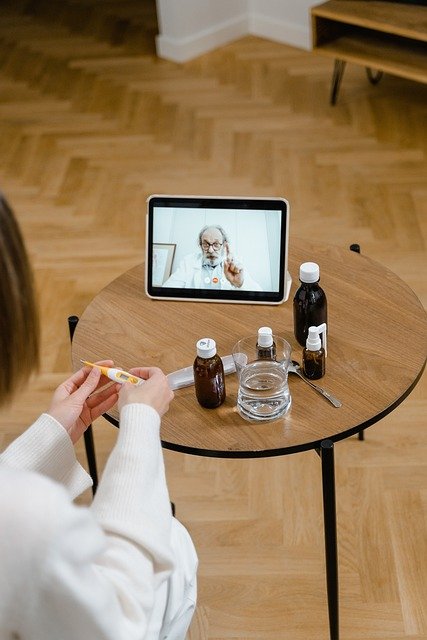
As telehealth continues to reshape diabetes management, patients are encouraged to embrace technology as a vital tool in their care regimen. Engaging in telehealth requires access to reliable internet and devices capable of supporting video consultations or data uploads. Patients should ensure that their technology is up to date and that they are familiar with the telehealth platform being used. This may involve downloading necessary applications, creating user accounts, and understanding how to troubleshoot common technical issues. Clinicians can play a pivotal role by providing clear instructions and resources to help patients navigate these technological requirements, thereby enhancing their confidence and participation in their care.
In addition to technological readiness, patients should actively engage in their health management by sharing relevant data during telehealth appointments. This includes continuous glucose monitoring (CGM) data, medication adherence logs, and any symptoms experienced since the last visit. By bringing this information to the forefront of consultations, patients facilitate more meaningful discussions with their healthcare providers, enabling personalized care plans that are responsive to real-time data. Clinicians should encourage patients to track their glucose trends and symptoms, which can help identify patterns and inform treatment adjustments.
Effective clinician-patient communication is essential in telehealth settings. Clinicians should employ strategies to foster an open dialogue, ensuring that patients feel comfortable discussing their concerns and experiences. This may involve using simple language, visual aids, or even pre-appointment questionnaires to guide discussions. Furthermore, clinicians should be trained in telehealth communication techniques to ensure they can convey empathy and support, which are critical for building trust and rapport with patients. The goal is to create an environment where patients feel empowered to take an active role in their diabetes management.
Finally, the integration of telehealth into diabetes care should be accompanied by ongoing education about the condition itself. Patients should be informed about the significance of blood glucose control, the impact of diet and exercise, and the importance of adherence to prescribed medications. Telehealth platforms can offer educational resources, webinars, and interactive tools that enhance patient knowledge and self-management skills. By fostering a culture of continuous learning, patients are better equipped to make informed decisions about their health, ultimately leading to improved outcomes.
Open Questions and Future Directions
While the integration of AI and telehealth into diabetes management shows great promise, several open questions remain regarding the long-term efficacy of these technologies. One key area of inquiry is the accuracy and reliability of AI algorithms in predicting patient outcomes. Early research indicates that AI can analyze vast datasets to identify trends and make predictions about glucose levels, but the variability in individual patient responses to treatment raises concerns about the generalizability of these predictions. Future studies should focus on validating AI tools across diverse populations to ensure they can effectively support clinical decision-making in various contexts.
Another important consideration is the best practices for integrating AI and telehealth into routine clinical workflows. Healthcare providers may face challenges in adapting to new technologies, particularly in terms of workflow efficiency and data management. Research is needed to identify optimal strategies for incorporating AI-driven insights into clinical practice, ensuring that clinicians can leverage these tools without overwhelming their existing systems. This may involve developing standardized protocols for data interpretation and decision-making that align with clinical guidelines.
Patient acceptance of AI and telehealth technologies also warrants further investigation. While many patients may appreciate the convenience of remote consultations and continuous monitoring, others may have reservations about data privacy, the impersonal nature of virtual visits, or the reliability of AI-generated recommendations. Understanding patient perspectives is crucial for tailoring telehealth solutions that meet their needs and preferences. Future research should explore ways to enhance patient engagement and trust in AI-driven diabetes care, including educational initiatives that address common concerns.
Moreover, the ethical implications of using AI in diabetes management must be addressed. As AI systems become more integrated into clinical practice, questions arise regarding accountability and transparency. Who is responsible if an AI-generated recommendation leads to adverse outcomes? How can patients be assured that their data is used ethically and securely? These questions highlight the need for a robust ethical framework guiding the development and implementation of AI technologies in healthcare. Ongoing dialogue among stakeholders, including patients, clinicians, and technologists, will be essential in shaping the future landscape of diabetes care.
The Role of GoTo Telemed in Diabetes Management
Platforms like GoTo Telemed could significantly enhance diabetes management by providing an accessible and user-friendly interface for both patients and healthcare providers. By integrating various data sources, including continuous glucose monitoring (CGM) data, electronic health records (EHRs), and patient-reported outcomes, GoTo Telemed can facilitate a comprehensive understanding of a patient's health status. This integration allows for real-time monitoring and timely interventions, which are crucial in preventing complications associated with diabetes.
One of the potential advantages of using GoTo Telemed is its ability to streamline clinician-patient communication. Through secure messaging features, video consultations, and data sharing capabilities, patients can easily communicate with their healthcare team, ask questions, and report any changes in their condition. This continuous communication fosters a collaborative approach to diabetes management, where patients feel supported and engaged in their care journey. Furthermore, clinicians can utilize the platform to monitor trends and adjust treatment plans based on real-time data, ensuring personalized care that aligns with each patient's unique needs.
Additionally, GoTo Telemed may enhance care accessibility for patients who face barriers to in-person visits, such as geographical distance, mobility issues, or time constraints. By offering virtual consultations, the platform can reach underserved populations who may not have regular access to endocrinology services. This increased accessibility can lead to improved health outcomes, as patients are more likely to engage in their care and adhere to treatment recommendations when they have convenient access to their healthcare providers.
However, the effectiveness of GoTo Telemed and similar platforms in diabetes management will depend on ongoing research and evaluation. It is essential to assess the impact of these technologies on patient outcomes, adherence rates, and overall satisfaction with care. Future studies should focus on understanding how the integration of AI and telehealth platforms can optimize diabetes management and what specific features are most beneficial for patients and clinicians alike. As the landscape of diabetes care continues to evolve, platforms like GoTo Telemed could play a pivotal role in shaping the future of personalized, data-driven healthcare.
Case Study: A Day in the Life of a Virtual Diabetes Patient
Meet Sarah, a 45-year-old woman diagnosed with type 2 diabetes. Sarah has been managing her condition for several years, but she often struggled with fluctuations in her blood glucose levels and felt overwhelmed by the complexities of her treatment plan. After enrolling in a telehealth program integrated with AI, Sarah began using a continuous glucose monitor (CGM) that provided real-time data on her glucose levels. This technology allowed her to track her glucose trends and receive personalized insights based on her data.
Through regular virtual check-ins with her endocrinologist via the telehealth platform, Sarah was able to discuss her CGM data, medication adherence, and any symptoms she experienced. During one of her appointments, her endocrinologist noticed a pattern in her glucose levels that correlated with her meal choices. Together, they adjusted her medication regimen and discussed dietary changes that could help stabilize her blood sugar. Sarah appreciated the collaborative approach, which empowered her to take control of her health.
As weeks went by, Sarah noticed significant improvements in her blood glucose control. The telehealth platform provided her with educational resources on diabetes management, including tips on meal planning and physical activity. With the support of her healthcare team, she felt more confident in making lifestyle changes. The combination of continuous monitoring, personalized feedback, and ongoing education transformed her diabetes management experience, reducing her risk of complications and enhancing her overall quality of life.
Sarah's journey illustrates the potential benefits of integrating AI and telehealth in diabetes care. By leveraging technology, she was able to access timely interventions, receive tailored recommendations, and engage in her health management like never before. The virtual nature of her care allowed for flexibility and convenience, making it easier for her to prioritize her health amidst her busy schedule.
Sarah's Journey: Navigating Diabetes with AI and Telehealth
Sarah, a 45-year-old woman with type 2 diabetes, utilizes an AI-integrated telehealth platform to manage her condition effectively. Through continuous monitoring and personalized feedback, she experiences improved health outcomes and a better quality of life. With the support of her healthcare team, Sarah gains insights into her glucose trends and makes informed decisions about her diet and exercise, ultimately leading to better blood sugar control and reduced risk of complications.
During her virtual check-ins, Sarah discusses her CGM data with her endocrinologist, who helps her understand the implications of her glucose readings. Together, they analyze patterns and make adjustments to her treatment plan as needed. This collaborative approach empowers Sarah to take an active role in her diabetes management, fostering a sense of ownership and responsibility for her health.
As Sarah continues her journey, she benefits from educational resources provided through the telehealth platform. These resources help her deepen her understanding of diabetes and the importance of lifestyle modifications. With access to a wealth of information at her fingertips, Sarah feels equipped to navigate the challenges of living with diabetes and is motivated to make positive changes.
The integration of AI in her care allows for real-time monitoring and timely interventions, which are crucial for preventing complications associated with diabetes. Sarah's experience highlights the potential of telehealth to enhance patient engagement, improve adherence to treatment, and ultimately lead to better health outcomes.
- Continuous glucose monitoring can provide valuable real-time data that informs treatment decisions and helps patients understand their glucose trends.
- Collaborative care models, where patients actively participate in their health management, can lead to improved outcomes and greater patient satisfaction.
- Telehealth platforms can offer educational resources that empower patients to make informed decisions about their health and lifestyle.
- The integration of AI in diabetes management can enhance personalization and provide timely interventions, reducing the risk of complications.
Questions patients ask
How does AI help in managing diabetes?
What are the benefits of telehealth for diabetes patients?
Are there any risks associated with using AI in diabetes care?
How can I ensure my telehealth appointments are effective?
What should I do if I'm uncomfortable with technology?
- AI has potential in predicting diabetes complications but requires robust data and validation.
- Telehealth improves access and engagement but may not suit all patients due to technology barriers.
- Personalized care through technology can enhance diabetes management but must be balanced with clinical expertise.
