
Understanding Teledentistry
Teledentistry is an innovative approach that harnesses technology to enhance the delivery of dental care through remote consultations, assessments, and education. This modality is particularly valuable in bridging the gap in healthcare access, especially for patients residing in underserved or rural areas where traditional dental services may be limited. By using telecommunication tools, dental professionals can reach patients who might otherwise face significant barriers to receiving timely and necessary care, such as travel distance, time constraints, or mobility issues.
In my experience as a general dentist, I have found that teledentistry can significantly improve patient engagement and satisfaction. With platforms like GoTo Telemed, patients can schedule virtual consultations from the comfort of their homes, which can be particularly beneficial for those with scheduling conflicts or anxiety related to in-person visits. This convenience often leads to increased compliance with dental recommendations and follow-ups, ultimately contributing to better oral health outcomes.
Moreover, teledentistry allows for the provision of preventive care and education. During virtual consultations, I can educate patients about oral hygiene practices, dietary choices, and the importance of regular dental check-ups. This proactive approach not only empowers patients but also fosters a sense of ownership over their oral health, which can lead to improved long-term results.
However, while teledentistry offers numerous advantages, it is essential to recognize that it is not a standalone solution. The technology is intended to complement in-person care, particularly for procedures that require hands-on assessment or treatment. For example, while I can provide initial assessments and guidance through virtual consultations, definitive diagnoses and treatment plans for complex dental issues often necessitate an in-person visit. Thus, teledentistry should be viewed as a valuable tool within a broader continuum of care, rather than a replacement for traditional dental practice.
Mechanisms of Teledentistry
The mechanisms of teledentistry involve a combination of video conferencing, mobile applications, and digital imaging technologies that facilitate real-time interactions between dental professionals and patients. These tools enable dentists to conduct virtual consultations, where they can visually assess patients' oral health and gather pertinent information to inform treatment decisions. For instance, during a video call, I can observe a patient's oral cavity and discuss symptoms, which can aid in the preliminary diagnosis of dental conditions.
Additionally, digital imaging plays a crucial role in enhancing the diagnostic process. Patients can share images of their teeth and gums through secure platforms, allowing for a more thorough assessment than verbal descriptions alone. This capability is particularly beneficial in identifying issues such as cavities, gum disease, or other oral health concerns that may require further evaluation. The ability to visualize these conditions remotely can streamline the decision-making process for both the dentist and the patient, leading to prompt interventions when necessary.
Moreover, the use of mobile applications can facilitate ongoing communication between dental visits. Patients can easily send messages, share updates on their oral health, or ask questions about their treatment plans. This continuous interaction fosters a collaborative relationship between the patient and the dentist, which is essential for effective care management and adherence to treatment recommendations.
However, it is important to acknowledge that while these mechanisms enhance the accessibility and efficiency of dental care, they also come with certain limitations. The absence of tactile feedback and the inability to perform hands-on examinations can hinder the dentist's ability to make definitive diagnoses in some cases. Therefore, while teledentistry can provide valuable insights and guidance, it should be complemented by in-person evaluations when warranted.
The Research Landscape
The research landscape surrounding teledentistry has evolved significantly in recent years, with numerous studies exploring its efficacy in diagnosing and managing various dental conditions. Early research indicates that teledentistry can be particularly effective for routine consultations, follow-up visits, and preventive care. Patients have reported high levels of satisfaction with virtual consultations, often citing convenience and accessibility as key factors contributing to their positive experiences.
Several studies have demonstrated that teledentistry can facilitate accurate assessments of dental conditions, such as dental caries and periodontal disease. By employing remote diagnostic tools and visual assessments, dental professionals can make informed decisions about treatment options without requiring patients to visit the office for every concern. This approach not only saves time for both patients and providers but also reduces the burden on healthcare systems, particularly in areas with limited dental resources.
However, it is essential to recognize that the body of evidence supporting teledentistry is still evolving. While initial findings are promising, more comprehensive studies are needed to fully understand the long-term implications of virtual dental care. For instance, research must address the effectiveness of teledentistry in managing complex cases that typically require in-person evaluations, as well as the potential impact on patient outcomes over time.
Moreover, the regulatory landscape surrounding teledentistry continues to change, which may influence its adoption and integration into mainstream dental practice. As policies evolve, it will be crucial for dental professionals to stay informed about best practices and guidelines to ensure that teledentistry is utilized safely and effectively. Overall, while the research landscape is encouraging, ongoing investigations are necessary to establish robust evidence supporting the efficacy and safety of teledentistry in diverse patient populations.
Who Benefits from Teledentistry?
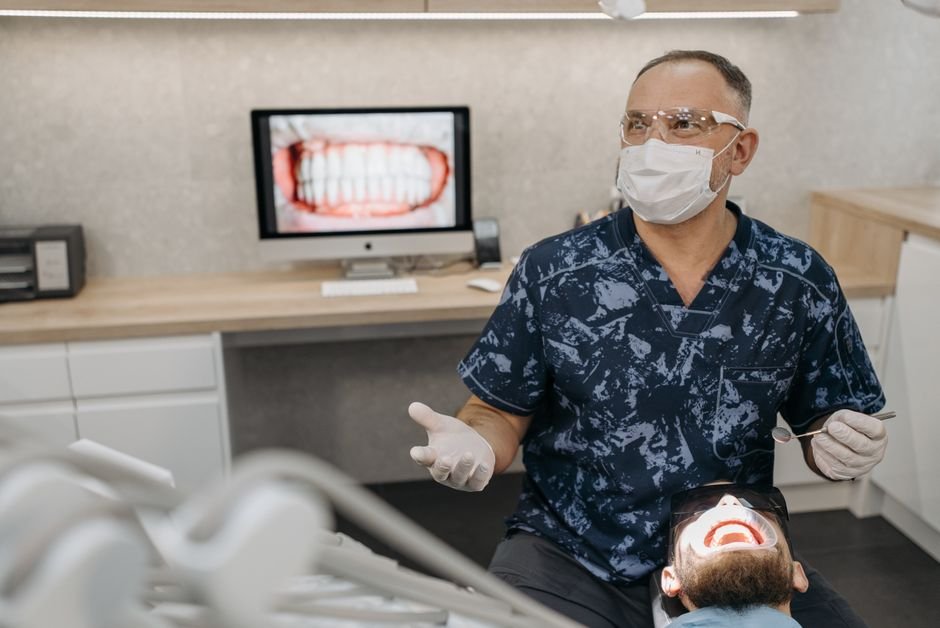
Teledentistry has the potential to benefit a wide range of patient populations, particularly those who may face barriers to accessing traditional dental care. Patients residing in remote or underserved areas often struggle to find nearby dental providers, leading to delayed treatment and worsening oral health conditions. By leveraging telehealth technology, these individuals can receive timely consultations and guidance, helping to bridge the gap in care that they might otherwise experience.
Additionally, individuals with mobility challenges, such as the elderly or those with disabilities, can greatly benefit from teledentistry. For these patients, traveling to a dental office can be a significant obstacle, often leading to missed appointments and untreated dental issues. Virtual consultations enable these patients to engage with their dental providers without the stress and difficulty of transportation, ultimately promoting better oral health outcomes.
Teledentistry is also advantageous for patients requiring follow-up consultations after procedures or treatments. For example, after a dental surgery, patients can have virtual check-ins to discuss their recovery and address any concerns without needing to return to the office immediately. This not only saves time but also provides patients with reassurance during their healing process.
However, it is important to note that while teledentistry offers many benefits, patients with complex dental issues may still require in-person evaluations for accurate diagnosis and treatment. Conditions such as severe periodontal disease or extensive restorative needs often necessitate hands-on assessments to ensure appropriate care. Therefore, while teledentistry can enhance access and convenience for many, it is essential to recognize its limitations and the need for a balanced approach that includes traditional dental visits when necessary.
Risks and Contraindications
While teledentistry presents numerous advantages, it is not without its risks and limitations. One primary concern is related to data privacy and security. As with any telehealth service, the transmission of sensitive patient information over the internet raises questions about confidentiality and the potential for data breaches. Dental practices must implement robust security measures to protect patient data and comply with regulations such as HIPAA to ensure that patient information remains confidential during virtual consultations.
Another significant risk associated with teledentistry is the potential for misdiagnosis due to limited visual assessments. While video consultations and digital imaging can provide valuable insights, they cannot fully replicate the comprehensive evaluations performed during in-person visits. For instance, certain dental conditions may present subtle signs that require tactile examination or diagnostic tests, such as X-rays, to accurately assess. Relying solely on virtual assessments may lead to missed diagnoses or inappropriate treatment plans, which could ultimately compromise patient safety.
Furthermore, certain patient populations may not be well-suited for teledentistry. For example, individuals with severe anxiety or cognitive impairments may struggle to engage effectively in virtual consultations, making it challenging to obtain accurate information about their oral health. In such cases, in-person visits may be necessary to ensure that patients receive the appropriate level of care and support they require.
In conclusion, while teledentistry offers many benefits, it is crucial to approach its implementation with caution. Dental professionals must carefully assess each patient's needs and circumstances to determine whether teledentistry is appropriate or if an in-person visit is warranted. By balancing the convenience of telehealth with the necessity of hands-on evaluations, we can ensure that patients receive the best possible care while minimizing risks associated with virtual consultations.
Practical Guidance for Telehealth in Dentistry
Teledentistry represents a significant shift in how dental care can be delivered, particularly in enhancing access for patients who may face barriers to traditional in-office visits. Effective teledentistry hinges on clear communication between the dentist and the patient. Dentists must ensure that patients understand the limitations of remote consultations, including the inability to perform tactile examinations or certain diagnostic tests that are only possible in a physical setting. This communication should also cover what types of dental issues can be appropriately addressed through virtual means, such as consultations for pain management, follow-up visits for ongoing treatment, and educational discussions about oral health.
Technology plays a pivotal role in the success of teledentistry. The platform used must be reliable, user-friendly, and secure to protect patient privacy. GoTo Telemed, for instance, offers features that facilitate seamless communication, allowing dentists to assess patient concerns via video calls. It is essential for dental practices to ensure that both the dentist and the patient are comfortable using the technology to minimize barriers to effective communication. Training staff on how to assist patients with technology can further enhance the experience, making it accessible for individuals who may not be tech-savvy.
Adhering to privacy regulations is paramount in teledentistry. Dentists must comply with HIPAA guidelines to safeguard patient information during virtual consultations. This includes ensuring that the telehealth platform is encrypted and that any shared documents are transmitted securely. Patients should be informed about how their data will be used and stored, fostering trust in the teledentistry process. Additionally, obtaining informed consent prior to the consultation can help clarify the nature of the virtual visit and the limitations involved, ensuring that patients are fully aware of what to expect.
Finally, it is crucial to establish protocols for when a patient should seek in-person care. While teledentistry can address many concerns, there are situations where a physical examination is necessary, such as for diagnosing complex dental issues or performing certain procedures. Dentists should develop clear guidelines to help patients understand when they should transition from a virtual consultation to an in-person visit, ensuring continuity of care and optimal patient outcomes.
Open Questions and Future Directions
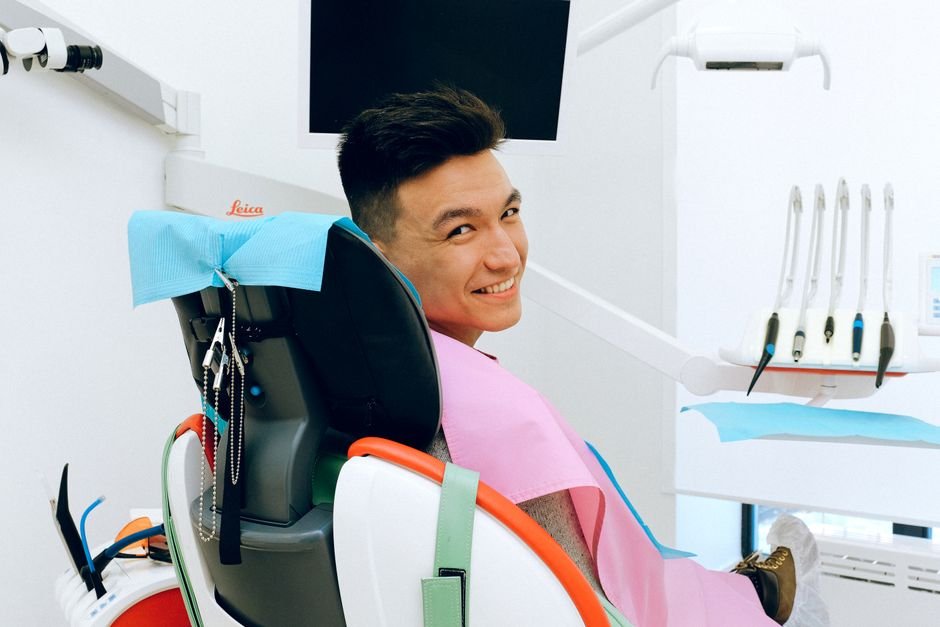
As teledentistry continues to evolve, several open questions remain regarding its long-term effectiveness and integration into traditional dental practices. While early research indicates that telehealth can improve access to care, especially in underserved populations, further studies are needed to assess the impact on clinical outcomes and patient satisfaction over time. Understanding how telehealth can be integrated into existing dental workflows is crucial for maximizing its potential benefits, particularly in enhancing patient engagement and adherence to treatment plans.
Another area of inquiry involves the regulatory landscape surrounding teledentistry. As different states and regions adopt varying regulations, it is essential to establish a more uniform approach that ensures patient safety while promoting the use of telehealth services. Questions regarding licensure, reimbursement policies, and standards of care in a virtual environment remain pertinent. Addressing these regulatory inconsistencies will be vital for the sustainable growth of teledentistry as a viable component of dental care.
Moreover, the safety of teledentistry practices is an ongoing concern. While virtual consultations can facilitate timely assessments and interventions, there is a need for research that evaluates the risks associated with diagnosing and treating dental issues remotely. For instance, can a dentist accurately assess the severity of a condition without a physical examination? Studies aimed at understanding these risks and developing best practices for remote assessments will be essential in ensuring that teledentistry does not compromise patient safety.
Finally, future research should explore the potential for telehealth technologies to enhance patient education and self-management of oral health. As patients become more engaged in their care through virtual platforms, understanding how to best support their education and empowerment will be critical. This may include developing resources that patients can access during or after virtual consultations to reinforce key messages and encourage proactive oral health behaviors.
The Role of GoTo Telemed in Teledentistry
GoTo Telemed has emerged as a user-friendly platform that facilitates effective teledentistry consultations. Its design prioritizes ease of use, enabling both dentists and patients to navigate the system with minimal technical challenges. This accessibility is particularly important in a dental setting, where patients may come from diverse backgrounds and varying levels of comfort with technology. The platform supports video consultations, which are essential for visual assessments of dental concerns, allowing dentists to observe and discuss symptoms in real-time.
One of the standout features of GoTo Telemed is its ability to enable remote oral health assessments. During a virtual consultation, dentists can guide patients through self-examinations, instructing them on how to position their cameras for optimal views of their oral cavity. This interactive approach not only helps in diagnosing issues but also empowers patients to take an active role in their oral health. Additionally, the platform allows for the sharing of educational materials and treatment plans, enhancing patient understanding and compliance.
Patient education is a critical component of effective dental care, and GoTo Telemed supports this through its integrated resources. Dentists can provide tailored educational content during consultations, addressing specific concerns raised by the patient. This can include instructional videos, pamphlets, or links to reputable oral health websites. By leveraging technology to enhance patient education, dentists can encourage better oral hygiene practices and foster a sense of ownership over their health outcomes.
Furthermore, GoTo Telemed facilitates treatment planning by allowing dentists to document findings and recommendations during the consultation. This documentation can be easily shared with patients, ensuring that they have a clear understanding of their treatment options and next steps. The ability to maintain comprehensive records of virtual visits is essential for continuity of care, as it allows for seamless transitions between teledentistry and in-person visits when necessary. Overall, GoTo Telemed exemplifies how telehealth technology can enhance the delivery of dental care.
Complementing In-Person Care
Teledentistry should be viewed as a complement to traditional dental care rather than a replacement. While virtual consultations offer numerous benefits, including increased accessibility and convenience, there are inherent limitations that necessitate in-person examinations. Certain dental conditions require tactile assessments and diagnostic tools that cannot be replicated through a screen. For instance, the evaluation of periodontal disease often necessitates probing and radiographic imaging, which are essential for accurate diagnosis and treatment planning.
Moreover, some dental procedures, such as extractions, restorations, and orthodontic adjustments, require hands-on intervention that cannot be performed remotely. In these cases, teledentistry can serve as a valuable preliminary step, allowing dentists to triage patients and determine the urgency of their condition before scheduling an in-person visit. This approach can help streamline care and prioritize patients who need immediate attention, ultimately improving overall practice efficiency.
Another critical aspect of in-person care is the establishment of a dentist-patient relationship, which is often strengthened through face-to-face interactions. While virtual consultations can foster communication, the personal connection that develops during in-office visits can enhance patient trust and satisfaction. This relationship is particularly important for ongoing care, as patients may feel more comfortable discussing sensitive issues or concerns in person.
In summary, while teledentistry offers innovative solutions for improving access to care, it is essential to recognize its role as a complementary service to traditional dental practices. By integrating both modalities, dental professionals can provide comprehensive care that meets the diverse needs of their patients. This hybrid approach not only enhances the patient experience but also ensures that high standards of care are maintained.
A Virtual Consultation: Mrs. Smith's Dental Dilemma
Mrs. Smith, a 45-year-old woman living in a rural area, has been experiencing persistent tooth pain for several weeks. Concerned about her symptoms but unable to visit her local dentist due to transportation issues, she decides to schedule a teledentistry appointment with Dr. Ortega through the GoTo Telemed platform. During the virtual consultation, Mrs. Smith describes her symptoms, including the location of the pain and any associated swelling. Dr. Ortega attentively listens and asks clarifying questions to better understand the severity and nature of the issue.
Using the video feature, Dr. Ortega guides Mrs. Smith through a self-examination, instructing her on how to position her camera to capture clear images of her oral cavity. This interactive approach allows Dr. Ortega to visually assess the affected area, noting signs of potential decay or gum inflammation. After the assessment, Dr. Ortega discusses possible causes of the pain, including the likelihood of a cavity or an abscess, and explains the importance of an in-person visit for definitive diagnosis and treatment.
Recognizing the limitations of the virtual consultation, Dr. Ortega recommends that Mrs. Smith schedule an in-person visit for further evaluation. She emphasizes the importance of addressing the issue promptly to prevent any complications. Additionally, Dr. Ortega provides Mrs. Smith with educational resources on oral hygiene and pain management strategies to help her manage her symptoms until she can receive in-person care. The consultation concludes with Dr. Ortega reassuring Mrs. Smith that her concerns are valid and that they will work together to resolve her dental issues.
- Teledentistry can effectively triage patients and provide preliminary assessments, especially for those with limited access to in-person care.
- Virtual consultations can enhance patient education by providing tailored resources and guidance during the appointment.
- The importance of in-person evaluations for certain dental conditions cannot be overstated; some issues require tactile assessments and diagnostic imaging.
- Establishing a rapport with patients during virtual consultations is crucial for fostering trust and ensuring effective communication.
Questions patients ask
What types of dental issues can be addressed through teledentistry?
How do I ensure my privacy during a teledentistry appointment?
Will my insurance cover teledentistry services?
How do I prepare for a teledentistry consultation?
When should I seek in-person dental care instead of a virtual consultation?
- Teledentistry can improve access to dental care, especially in underserved populations.
- Patient satisfaction with teledentistry is generally positive, but more diverse studies are needed.
- The regulatory environment for teledentistry is changing, which may affect its adoption and reimbursement.
- Safety concerns regarding data privacy must be addressed to ensure patient confidentiality.
