Understanding Teledentistry: A New Frontier in Dental Care
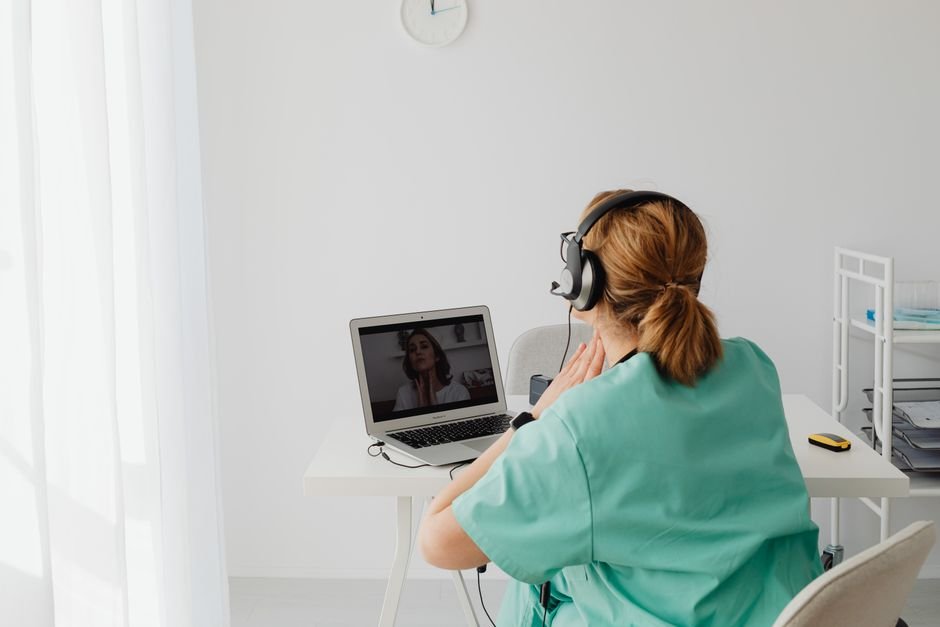
Teledentistry refers to the innovative use of digital communication technologies to deliver dental care remotely. This approach has gained traction in recent years, particularly as healthcare systems seek to enhance access to services for populations that may otherwise encounter barriers to care. These barriers can include geographic isolation, socioeconomic factors, and mobility challenges, all of which can hinder individuals from receiving timely dental treatment. Teledentistry aims to bridge these gaps by providing a platform for virtual consultations, thereby expanding the reach of oral health services.
In my experience as a Registered Dental Hygienist (RDH), I have witnessed firsthand how teledentistry can empower patients, particularly those in underserved areas. By utilizing platforms like GoTo Telemed, we can conduct virtual oral health consultations that allow patients to discuss their concerns from the comfort of their homes. This accessibility encourages individuals who may have postponed care due to logistical challenges to seek guidance and support, ultimately promoting better oral health outcomes.
Moreover, teledentistry facilitates patient education, an essential component of preventive care. Through virtual consultations, I can provide tailored information about oral hygiene practices, dietary choices, and preventive measures. This personalized education can significantly impact a patient's ability to manage their oral health proactively, leading to improved long-term outcomes. By leveraging technology, we can create a more informed patient population that understands the importance of maintaining oral health and seeking timely care when necessary.
However, it is important to recognize that while teledentistry offers many benefits, it is not a substitute for hands-on clinical procedures. Certain aspects of dental care, such as comprehensive examinations, diagnostics, and treatments, still require in-person visits. Teledentistry serves as a complementary tool that enhances the patient experience and streamlines communication between patients and dental teams, but it should not replace traditional dental care. As we navigate this new frontier, it is crucial to maintain a balanced perspective on the capabilities and limitations of teledentistry.
Mechanisms of Teledentistry: How It Works
Teledentistry operates through a variety of digital platforms that facilitate virtual consultations, remote assessments, and triage of dental concerns. By utilizing video conferencing technology, dental professionals can engage with patients in real-time, allowing for a dynamic exchange of information. During these virtual appointments, I can observe patients' oral health concerns, provide education, and recommend next steps based on my assessment of their needs.
In addition to video conferencing, teledentistry often incorporates digital imaging tools that enable patients to share images of their oral health conditions. This can include photographs of specific areas of concern or even images captured using intraoral cameras. By reviewing these images, I can gain valuable insights into the patient's situation, which aids in formulating an appropriate plan of action. This remote assessment capability is particularly beneficial for triaging urgent dental issues, allowing for timely referrals to in-person care when necessary.
Another key mechanism of teledentistry is the use of patient education tools. These tools can range from informational videos to interactive resources that help patients understand their oral health better. By providing these educational materials during virtual consultations, I can enhance patient engagement and empower them to take an active role in their oral health journey. This proactive approach is essential in promoting preventive care and reducing the incidence of dental issues down the line.
However, it is crucial to acknowledge that while teledentistry can effectively facilitate communication and education, it has inherent limitations. For instance, certain clinical procedures, such as scaling and root planing, cannot be performed remotely. Therefore, teledentistry should be viewed as a supplement to traditional dental care rather than a replacement. By understanding how teledentistry works and its capabilities, dental professionals can better harness its potential to improve patient outcomes.
Research Landscape: What the Evidence Shows
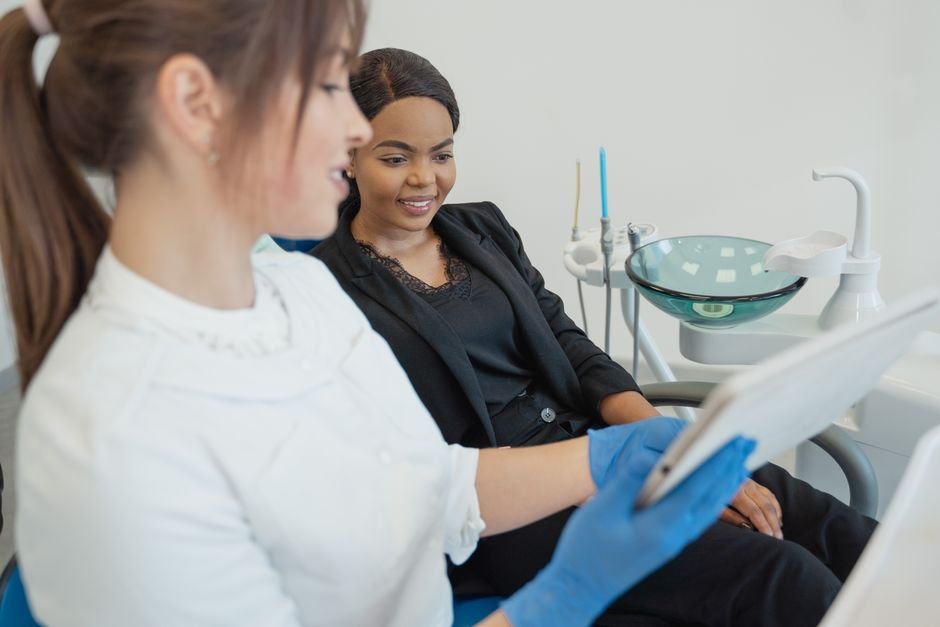
The research landscape surrounding teledentistry has evolved significantly over the past decade, with numerous studies investigating its effectiveness in improving access to care and patient satisfaction. Evidence consistently shows that teledentistry can facilitate timely consultations, particularly for patients in remote or underserved areas. Studies have reported positive outcomes in terms of patient engagement and satisfaction, as individuals appreciate the convenience and accessibility of virtual consultations. This shift towards digital healthcare aligns with broader trends in telehealth, where patients increasingly seek remote options for various healthcare needs.
However, while the potential benefits of teledentistry are well-documented, concerns regarding diagnostic accuracy and the limitations of remote evaluations persist in the literature. Early research indicates that while teledentistry can effectively triage certain dental issues, it may not fully replace the need for in-person examinations. The lack of tactile feedback and direct observation during virtual consultations can lead to challenges in accurately diagnosing complex dental conditions. Moreover, the variability in patients' ability to effectively communicate their concerns through digital platforms can further complicate diagnostic accuracy.
Another area of ongoing research is the impact of teledentistry on treatment outcomes. While preliminary studies suggest that patients who engage in teledentistry may experience improved access to preventive care and education, more robust, long-term studies are needed to evaluate the overall effectiveness of remote consultations in managing dental health. This includes examining whether patients who utilize teledentistry ultimately experience better oral health outcomes compared to those who rely solely on traditional in-person visits.
As the field of teledentistry continues to evolve, it is essential for dental professionals to remain informed about the latest research findings. This awareness will enable us to make evidence-based decisions regarding the integration of teledentistry into our practice while addressing potential limitations. Future studies should focus on exploring the long-term impacts of teledentistry on patient outcomes, as well as strategies to enhance diagnostic accuracy and the overall effectiveness of remote evaluations.
Who Benefits from Teledentistry?
Teledentistry has the potential to significantly benefit various patient populations, particularly those who face barriers to accessing traditional dental care. Individuals residing in rural or underserved areas often struggle to find nearby dental services, leading to delayed or inadequate care. By utilizing teledentistry, these patients can engage in virtual consultations, allowing them to receive timely advice and guidance without the need for extensive travel. This enhanced accessibility can lead to earlier interventions and improved oral health outcomes for these populations.
Additionally, patients with mobility issues, such as the elderly or individuals with disabilities, can greatly benefit from teledentistry. For these individuals, traveling to a dental office can be a daunting task, often requiring assistance or transportation arrangements. Teledentistry eliminates these logistical challenges, enabling patients to connect with dental professionals from the comfort of their homes. This convenience not only encourages more individuals to seek care but also fosters a sense of empowerment in managing their oral health.
Furthermore, teledentistry is particularly valuable for patients seeking preventive care or education. Many individuals may have questions about their oral health but might hesitate to schedule an in-person appointment for minor concerns. Virtual consultations provide an opportunity for patients to discuss their questions and receive personalized advice without the pressure of a clinical setting. This proactive approach can lead to increased awareness of oral health issues and encourage patients to adopt healthier habits, ultimately reducing the incidence of dental problems.
However, it is important to recognize that teledentistry may not fully benefit patients requiring hands-on clinical procedures. Complex dental treatments, such as extractions or restorative work, still necessitate in-person visits to ensure proper care. Therefore, while teledentistry serves as a valuable tool in expanding access to care and promoting preventive measures, it should be viewed as a complementary approach rather than a complete replacement for traditional dental services. By understanding the populations that can benefit most from teledentistry, dental professionals can better tailor their services to meet the needs of their patients.
Risks and Contraindications: Navigating Challenges
Teledentistry, while offering numerous advantages in terms of accessibility and convenience, does not come without its risks and contraindications. One of the primary concerns is the potential for misdiagnosis. In a traditional clinical setting, dental professionals rely on tactile feedback and visual inspection, along with diagnostic imaging, to make informed decisions. However, during virtual consultations, these critical components are absent. This limitation can lead to situations where a dental hygienist may miss subtle signs of conditions such as periodontal disease or caries that would be more easily identified in person. Early research indicates that while teledentistry can facilitate initial assessments, it should not replace comprehensive in-person evaluations, especially for complex cases.
Another significant risk associated with teledentistry is the potential for over-prescription of medications. In a virtual setting, dental professionals may feel pressured to provide immediate solutions to patient concerns, which can lead to the inappropriate prescribing of antibiotics or analgesics without a thorough clinical assessment. This practice not only poses risks to patient safety but also contributes to the broader public health issue of antibiotic resistance. Caution should be exercised, and practitioners must adhere to established guidelines regarding the prescription of medications during virtual consultations, ensuring that they are warranted and appropriate based on the information available.
Patient privacy and data security are paramount in the realm of teledentistry. The use of digital platforms necessitates stringent measures to protect sensitive patient information. Healthcare providers must ensure compliance with regulations such as HIPAA (Health Insurance Portability and Accountability Act) in the United States, which mandates the protection of patient health information. This includes using secure communication channels, obtaining informed consent for virtual consultations, and educating patients about their rights regarding data privacy. Failure to uphold these standards can lead to breaches of confidentiality, which can erode trust between patients and providers.
Moreover, the digital divide presents a significant challenge in the implementation of teledentistry. Not all patients have equal access to the necessary technology, such as smartphones, tablets, or reliable internet connections. This disparity can disproportionately affect vulnerable populations, including those in rural areas or lower socioeconomic groups, thereby exacerbating existing health inequities. Addressing these challenges requires a multifaceted approach, including community outreach and investments in technology infrastructure to ensure that teledentistry can serve all segments of the population effectively.
Practical Guidance for Teledentistry
For dental hygienists and practitioners, a clear understanding of the scope of teledentistry is crucial to providing effective care. Teledentistry primarily serves as a tool for patient education, preventive advice, and remote assessments, allowing dental professionals to engage with patients in a manner that was previously unavailable. However, it is essential for Registered Dental Hygienists (RDHs) to recognize the limitations of virtual consultations, particularly the inability to perform hands-on clinical procedures. This distinction is vital, as it frames the role of RDHs within the teledentistry model and sets appropriate expectations for both practitioners and patients.
During a teledentistry appointment, RDHs can effectively educate patients about oral hygiene practices, dietary choices, and preventive care strategies. This educational component is particularly beneficial for patients who may have difficulty accessing in-person care due to geographical or financial barriers. By leveraging technology, RDHs can provide tailored advice based on the patient’s individual circumstances, thereby enhancing their understanding of oral health and promoting better self-care practices. However, this educational role should be complemented by an awareness of when to recommend an in-person visit for more comprehensive evaluation and treatment.
Remote assessments can also be conducted through teledentistry, allowing RDHs to gather valuable information about a patient's oral health status. For example, through video consultations, RDHs can observe visible signs of oral health issues, such as swelling, discoloration, or plaque accumulation. Additionally, patients can be guided on how to perform self-assessments, such as checking for gum bleeding or sensitivity. However, it is important to note that these assessments have limitations and should not replace the need for clinical examinations. RDHs must communicate these limitations to patients to ensure they understand the necessity of follow-up visits when indicated.
Furthermore, effective communication with dentists and dental teams is essential in the teledentistry framework. RDHs must ensure that they relay pertinent information gathered during virtual consultations to the rest of the dental team. This collaboration can facilitate continuity of care, allowing for a seamless transition from virtual to in-person services when necessary. Establishing clear protocols for communication and documentation can enhance the overall efficiency of teledentistry services, ensuring that patient care remains coordinated and comprehensive.
Open Questions and Future Directions in Teledentistry
As teledentistry continues to evolve, several questions remain regarding its long-term efficacy and integration into traditional dental practices. One of the primary concerns is the accuracy of remote diagnoses. While early research indicates that teledentistry can be effective for certain conditions, there is still uncertainty about its reliability across the full spectrum of dental issues. Future studies should focus on comparing the diagnostic accuracy of teledentistry with in-person evaluations to better understand its strengths and limitations in various clinical scenarios.
Another area of exploration is the establishment of safe prescribing protocols within teledentistry. With the rise of telehealth, there is a growing need for guidelines that govern the prescribing of medications during virtual consultations. This includes determining which medications can be safely prescribed without a physical examination and establishing criteria for when in-person evaluations are necessary. Research in this area could help mitigate the risks associated with over-prescription and enhance patient safety in teledentistry practices.
Additionally, addressing the digital divide is critical for the successful implementation of teledentistry. As technology becomes increasingly integrated into healthcare, it is essential to ensure equitable access for all patients, regardless of socioeconomic status or geographical location. Future research should investigate strategies to bridge this gap, such as community-based initiatives that provide access to technology and training for underserved populations. Ensuring that all patients can benefit from teledentistry will enhance its overall impact on public health.
Finally, the integration of teledentistry into existing dental practices poses both challenges and opportunities. As dental professionals adapt to this new model of care, there is a need for ongoing training and education to ensure that providers are equipped with the necessary skills to deliver effective virtual consultations. Research into the best practices for integrating teledentistry into traditional workflows will be essential for maximizing its potential benefits and ensuring that it complements, rather than competes with, in-person care.
The Role of the RDH in Teledentistry
Registered Dental Hygienists (RDHs) play a vital role in the teledentistry landscape by facilitating patient education, preventive care, and remote assessments. Their expertise in oral health allows them to engage patients effectively during virtual consultations, providing valuable information that can empower individuals to take charge of their oral hygiene. Through teledentistry, RDHs can reach a broader audience, especially those who may have difficulty accessing traditional dental services due to various barriers, including geographic location, financial constraints, or time limitations.
In the realm of patient education, RDHs can leverage virtual platforms to share best practices for oral hygiene, dietary recommendations, and preventive care strategies. By utilizing visual aids and demonstrations during video consultations, RDHs can enhance patient understanding and encourage adherence to recommended practices. This educational component is particularly important for patients with specific oral health concerns, as it allows RDHs to tailor their advice based on individual needs and circumstances, ultimately promoting better oral health outcomes.
Remote assessments conducted by RDHs can also provide valuable insights into a patient's oral health status. During virtual consultations, RDHs can guide patients in performing self-assessments and can observe visible signs of oral health issues, such as swelling or discoloration, through video technology. However, it is essential for RDHs to communicate the limitations of these assessments clearly, emphasizing that they do not replace the need for comprehensive clinical evaluations when necessary. This transparency is crucial in managing patient expectations and ensuring continuity of care.
Despite the advantages of teledentistry, it is essential for RDHs to understand their scope of practice and the limitations of remote consultations. While RDHs can provide education and assessments, they cannot perform hands-on clinical procedures, such as cleanings or restorative work, during virtual appointments. This distinction underscores the importance of recognizing when an in-person visit is warranted, allowing RDHs to make appropriate referrals to dentists or other dental professionals for further evaluation and treatment. By navigating these boundaries effectively, RDHs can enhance the overall quality of care provided through teledentistry.
A Virtual Consultation: Navigating Patient Concerns
In this composite case study, a 35-year-old patient presents with concerns about tooth sensitivity and gum health during a virtual consultation with a Registered Dental Hygienist (RDH). The patient reports experiencing discomfort while eating cold foods and notices some bleeding when brushing their teeth. During the consultation, the RDH takes the time to listen to the patient's concerns and asks targeted questions to gather more information about their oral hygiene habits and dietary choices.
Through the video consultation, the RDH observes the patient's oral cavity using the camera on their smartphone. While the RDH cannot perform a hands-on examination, they can instruct the patient on how to check for visible signs of gum inflammation or plaque buildup. The RDH provides education on proper brushing techniques, the importance of using fluoride toothpaste, and the role of flossing in maintaining gum health. They also discuss potential dietary factors that may contribute to the patient's sensitivity, such as acidic foods or beverages.
After assessing the patient's concerns and providing educational resources, the RDH emphasizes the importance of scheduling an in-person visit for a comprehensive evaluation. They explain that while teledentistry can provide valuable insights and guidance, a hands-on examination is necessary to diagnose any underlying issues accurately. The RDH reassures the patient that they will work collaboratively with their dentist to ensure continuity of care and that any necessary referrals will be made promptly.
The patient leaves the consultation feeling more informed and empowered to take charge of their oral health. They appreciate the convenience of the virtual appointment and the personalized advice provided by the RDH. The RDH documents the consultation details, including the patient's concerns and recommendations, to ensure that the dental team has access to this information for future reference.
- Teledentistry can effectively address patient concerns through education and remote assessments, but it cannot replace in-person evaluations.
- RDHs play a crucial role in guiding patients on oral hygiene practices and preventive care during virtual consultations.
- Clear communication about the limitations of teledentistry is essential for managing patient expectations.
- Continuity of care is vital; RDHs should facilitate referrals for in-person visits when necessary.
Questions patients ask
What types of dental issues can be addressed through teledentistry?
How does teledentistry ensure patient privacy and data security?
Can I receive a prescription for dental medications through a virtual consultation?
What are the limitations of teledentistry compared to in-person visits?
How can I prepare for a teledentistry appointment?
- Teledentistry enhances access to dental care, especially for underserved populations.
- Concerns about diagnostic accuracy and remote prescribing practices need to be addressed.
- RDHs can provide valuable education and remote assessments, but hands-on procedures are not possible through telehealth.
- Equitable access to teledentistry requires addressing the digital divide and ensuring patient privacy.
