

Close-up image of a person's smile highlighting teeth and lips, vibrant and cheerful.
📚 Health Library🦷 Dental & Oral Health🥗 Nutrition & Weight🩺 General & Preventive Care

Protecting Your Smile: Understanding and Reversing Early Enamel White‑Spot Lesions

Spot the signs early and keep tooth decay at bay.

GoTo Telemed Medical Editorial TeamAI-assisted · Updated 2026-10-23
⏱ 16 min read📘 Reading level 7📚 18 references🏷️ Early Enamel Caries / White-Spot Lesion, Dental Caries, Tooth Decay
A healthy smile can boost your confidence and wellbeing. Photo: Towfiqu barbhuiya / Pexels · Pexels License
☰ Contents
  1. Protecting Your Smile: Understanding and Reversing Early Enamel White-Spot Lesions
  2. By the numbers
  3. The Science Behind Early Enamel Caries
  4. The Science Behind Early Enamel Caries and White-Spot Lesions
  5. How White-Spot Lesions Affect Your Body
  6. Recognizing the Signs of White-Spot Lesions
  7. Quick self-check
  8. Exploring the Causes of White-Spot Lesions
  9. Tests to Check for White-Spot Lesions
  10. Taking Care of White-Spot Lesions
  11. Do’s and don’ts
  12. Your daily routine
  13. Preventing White-Spot Lesions
  14. Gallery
  15. Children, pregnancy, older adults and more
  16. Myths and facts
  17. Case studies: stories that teach
  18. Clinical pearls for providers
  19. When to Talk to a GoTo Telemed Practitioner
  20. Check what you learned
  21. Frequently asked questions
  22. Glossary
  23. Empower Your Smile with Simple Steps
  24. References
⭐ Key takeaways
  • White spots are early signs of decay.
  • Fluoride can reverse early enamel damage.
  • Good oral hygiene prevents decay.
  • Limit sugary foods to protect teeth.
  • Traditional methods can support modern care.
  • Regular check-ups catch issues early.
01Overview

Protecting Your Smile: Understanding and Reversing Early Enamel White-Spot Lesions

Imagine Sarah, a bright ten-year-old, smiling wide for her school picture. Her excitement dims slightly when she notices faint white spots on her teeth. These early signs are common, but with the right care, Sarah's smile can stay healthy.

White-spot lesions are the first visible sign of tooth decay. These small, white marks on the surface of teeth indicate early enamel caries, where the enamel (the hard outer layer of the tooth) begins to lose essential minerals1.

This condition affects everyone, but it is most common in children and teenagers, as their teeth are still developing. About 90% of adults will experience cavities, with early enamel lesions often preceding them2.

Why do these white spots matter? If left untreated, they can lead to cavities, which may cause pain, infections, and even affect overall health by making it harder to eat and speak comfortably. Catching and treating these spots early is crucial for maintaining oral and general health.

In this article, we will explore what causes white-spot lesions, how they can affect the body, and the evidence-based methods to reverse them. We'll look at both modern dental treatments and traditional home care options to help keep your teeth healthy.

02By the numbers

By the numbers

90%
Adults who have had cavities

About 9 out of 10 adults will experience cavities at some point.2

1 in 3
School-aged children with untreated cavities

About one in three children have untreated tooth decay.5

50%
White-spot lesions that can remineralize

With proper care, about half of early lesions can heal.6

2x
Increased risk with sugary drinks

Frequent consumption of sugary drinks doubles the risk of decay.4

90 out of every 100 — Adults who have had cavities
03Inside the body

The Science Behind Early Enamel Caries

Our teeth are protected by enamel, the hardest substance in the body. Enamel covers and safeguards the softer core of the tooth, like a shield. But this shield can weaken over time.

White-spot lesions begin when harmful bacteria called plaque build up on the teeth. These bacteria turn sugar from food and drinks into acid, which gradually erodes the enamel3.

Normally, saliva acts as a natural protector, washing away food particles and neutralizing acids. However, poor eating habits, like frequent snacking on sugary foods, disrupt this balance4.

Without intervention, these small white spots can progress into cavities, actual holes in the teeth that require more intensive dental treatment.

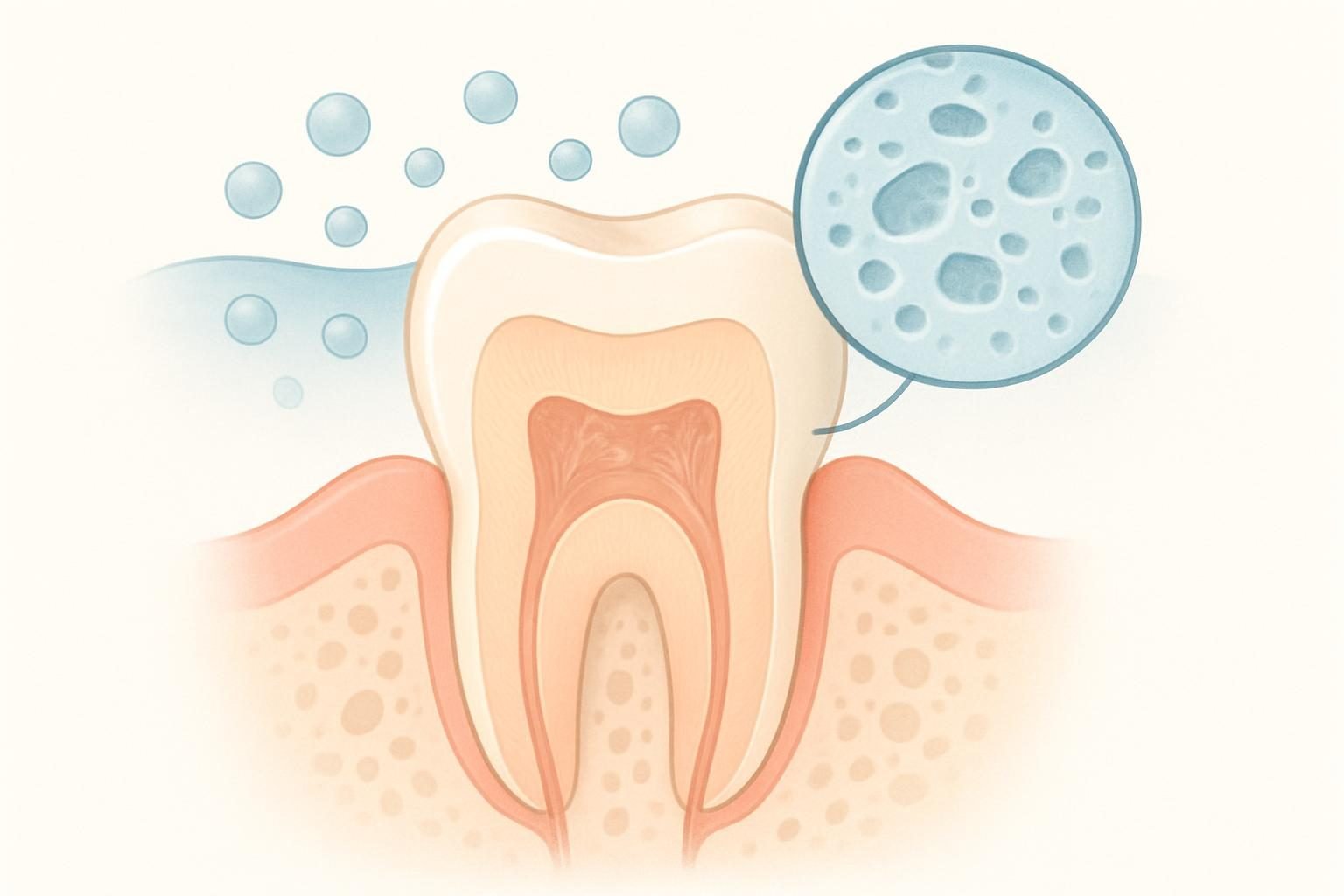
Diagram of tooth enamel showing early caries development
Understanding enamel and the formation of white-spot lesions.✨ AI-generated illustration (OpenAI) · Generated for GoTo Telemed
🧫 What Happens Inside the Teeth

Enamel is made up of tightly packed crystals of calcium and phosphate, like bricks in a wall. When these dissolve, weak spots appear.

Acids produced by bacteria seep into the enamel, reaching these minerals and causing them to break down. Over time, this creates small holes known as 'pores' in the enamel.

If the flow of minerals resumes, perhaps through using fluoride toothpaste, these pores can fill back in, repairing the enamel.

04Science deep-dive

The Science Behind Early Enamel Caries and White-Spot Lesions

Early enamel caries, often seen as white-spot lesions on teeth, are the first sign of tooth decay. These lesions indicate that the mineral content in the enamel is starting to break down, often due to plaque and acid. Understanding the mechanisms that cause and reverse early enamel caries is vital to dental health.

Demineralization Process

Demineralization happens when acids from plaque bacteria dissolve minerals like calcium and phosphate from the enamel. This can create small, chalky white spots on teeth. These white spots are often the first visible sign of enamel caries, signaling potential decay1.

Role of Fluoride

Fluoride is crucial in strengthening tooth enamel by aiding the remineralization process. It helps restore lost minerals, making the enamel more resistant to acid. Fluoride can be found in toothpaste, mouth rinses, and even drinking water, offering easy access to this beneficial element6.

Importance of Saliva

Saliva naturally protects teeth by washing away food particles and neutralizing acids in the mouth. It also provides minerals that help with enamel repair, demonstrating its protective role in oral health. By maintaining adequate saliva flow, teeth are better defended against decay7.

Biofilm and Plaque Formation

Plaque is a sticky film of bacteria that forms on the teeth. When it interacts with sugars, it produces acids that wear away enamel. Managing plaque through regular brushing and flossing can prevent caries by reducing acid production8.

Microbial Influence

The oral cavity is home to diverse microorganisms, some benign and others harmful. An imbalance can lead to increased acid production, heightening the risk of demineralization. Maintaining a balanced oral microbiome is essential for oral health8.

What the latest research shows

2024Efficiency of CPP-ACP Versus Topical Fluorides

The study found that both casein phosphopeptide-amorphous calcium phosphate (CPP-ACP) and topical fluorides are effective in remineralizing early enamel lesions, with similar outcomes.9

2023Impact of Dental Sealants

Sealants provide a physical barrier against bacteria and can release fluoride ions, helping in remineralization. They are effective in preventing caries for up to 5 years.10

2022Self-Assembling Peptides for Remineralization

The use of self-assembling peptides P11-4 shows promise in remineralizing early enamel lesions, presenting an alternative to traditional agents.11

2024LASERs in Prevention of Enamel Caries

Laser treatment can enhance enamel resistance to demineralization, particularly around orthodontic brackets and susceptible areas.12

🔭 Still being studied
05Whole-body effects

How White-Spot Lesions Affect Your Body

White-spot lesions are more than just cosmetic. These early signs of tooth decay can have broader effects on your health. Let's explore how they might impact different body systems.

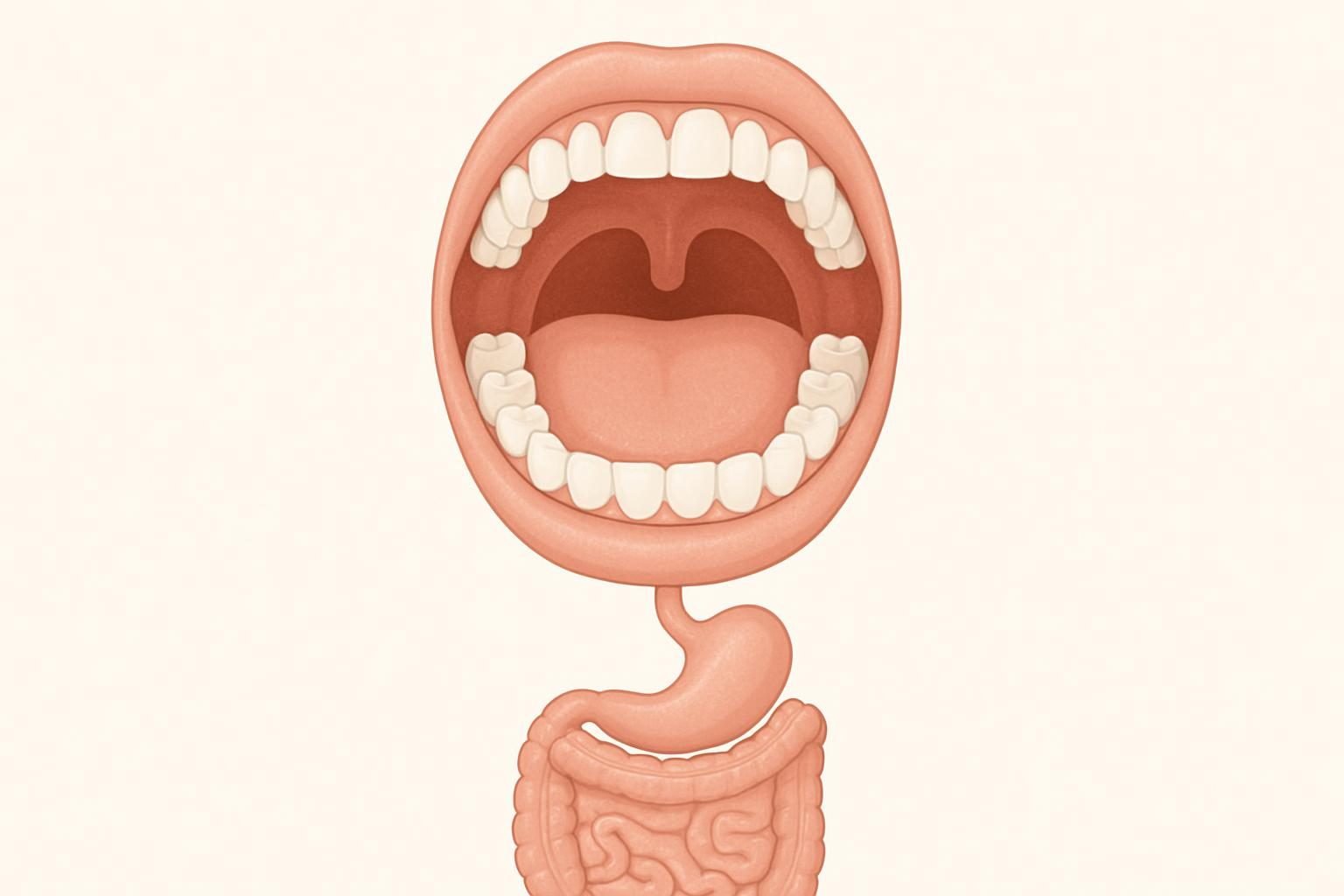
Diagram showing the connection between oral health and overall body health
The impact of dental health on the body.✨ AI-generated illustration (OpenAI) · Generated for GoTo Telemed
Oral Health

White-spot lesions weaken the enamel, making teeth more prone to cavities and tooth decay when bacteria and acids dissolve minerals.

strong evidence
Digestive System

Untreated caries can lead to pain and discomfort, making it hard to chew food properly and affecting digestion.

moderate evidence
Infection Risk

If decay progresses, bacteria can enter deeper parts of the tooth, causing infections that might spread beyond the mouth.

emerging evidence
Nutritional Health

Pain or sensitivity from caries can lead to changes in eating habits, reducing nutrient intake and impacting overall health.

moderate evidence
Quality of Life

Tooth decay can affect self-esteem and confidence, influencing social interactions and emotional well-being.

emerging evidence
Immune System

Chronic oral infections can challenge the immune system, requiring it to work harder to fight off bacteria.

moderate evidence
06Know the signs

Recognizing the Signs of White-Spot Lesions

Catching white-spot lesions early can prevent more serious dental problems. Let's learn how to recognize these signs.

Early signs

  • White or chalky spots on teeth
  • Sensitivity to hot or cold foods
  • Roughness on the tooth surface
  • Changes in tooth color

Later signs

  • Persistent tooth pain
  • Visible holes or pits in teeth
  • Swelling or redness in gums
  • Bad breath that doesn't go away
🚨 Call 911 or get emergency care right away if you notice:
  • Severe toothache
  • Swelling in the face or jaw
  • Fever with tooth pain
  • Difficulty breathing or swallowing
07Self-check

Quick self-check

Curious if you have early enamel lesions? Here are simple questions to ask yourself.

Tap what applies to you.

This check is not a diagnosis. A licensed GoTo Telemed practitioner can look at your situation with you.

08Why it happens

Exploring the Causes of White-Spot Lesions

Understanding what causes white-spot lesions can help you prevent them. Here's what you need to know.

Plaque Buildup Plaque is a sticky film of bacteria. It feeds on sugars and produces acids that weaken enamel.

Frequent Snacking Eating often, especially sugary or acidic foods, can increase the risk of enamel damage.

Sugary Drinks Sodas and sweet drinks can double the risk of decay by promoting acid attacks on teeth.

Poor Oral Hygiene Not brushing or flossing regularly allows plaque to build up and harm teeth.

Health Conditions Conditions like dry mouth reduce saliva, which protects teeth naturally7.

✅ Risks you can change

Improving oral hygiene practicesReducing intake of sugary foods and drinksMaintaining a balanced dietChewing sugar-free gum to stimulate salivaUsing fluoride toothpaste

🧬 Risks you cannot change

Age - children and teens at higher risk5Genetics - some people may have weaker enamelMedical conditions affecting saliva production
09Diagnosis

Tests to Check for White-Spot Lesions

Early checks can prevent dental issues. Here are some tests to help spot white-spot lesions.

1Dental Examination
What it checks
A visual check by a dental professional.
Why
Helps identify white spots or early signs of decay before they worsen.
What to expect
Quick and painless. The dentist uses a mirror and light to look at your teeth.
What results mean
Healthy teeth or potential early decay. Further care may be recommended.
2X-rays
What it checks
Images of teeth taken with a special camera.
Why
Shows decay that isn't visible to the naked eye.
What to expect
Sit still while the machine takes pictures. It takes only a few minutes.
What results mean
Normal tooth health or early signs of decay, needing further attention.
10Care options

Taking Care of White-Spot Lesions

Taking early action can reverse white-spot lesions. Modern and traditional approaches work together here.

🏥 Modern care

  • Fluoride Treatments Fluoride helps rebuild tooth strength by adding minerals back to the enamel. a licensed GoTo Telemed practitioner might apply fluoride in office treatments or suggest fluoride toothpaste.
  • Dental Sealants These protective coatings cover the surface of teeth, blocking decay. Sealants are quick and pain-free, and especially helpful for children with new teeth.
  • Self-Assembling Peptides Innovative peptides can help repair early lesions by attracting minerals to the tooth surface. These are typically administered by dental professionals.
  • Casein Phosphopeptide (CPP-ACP) This compound, made from milk protein, helps redeposit essential minerals on the teeth. It's available in toothpaste or dental applications.
  • Laser Therapy Lasers can enhance the strength of enamel and reduce decay. This treatment is safe and often used alongside other methods12.
  • Regular Dental Check-Ups Professional cleanings and monitoring catch decay early. Visiting a licensed GoTo Telemed practitioner at least twice a year is key.

🌿 Traditional & integrative

  • Oil Pulling Swishing sesame or coconut oil around the mouth may help remove bacteria. This can be part of a regular oral hygiene routine, not a substitute for brushing.
  • Green Tea Rinse Rich in antioxidants, green tea may help protect teeth from bacteria and decay. You can rinse with cooled green tea daily.
  • Neem Chewing Sticks Neem, a plant used in Ayurveda, has antibacterial properties and can help maintain oral health. Chewing neem sticks can be a traditional alternative to modern toothpaste.

🏃 Everyday habits

  • Balanced Diet A diet rich in fruits, vegetables, and whole grains supports overall oral health. Avoid excessive sugary drinks and snacks4.
  • Stay Hydrated Water helps keep your mouth clean and supports saliva production, which protects teeth7.
  • Brush and Floss Daily Brush at least twice a day and floss to remove food and plaque between teeth. It's essential for preventing decay3.
  • Chew Sugar-Free Gum Chewing gum increases saliva flow, which neutralizes acids that wear down teeth.
  • Limit Sugary Foods Cut down on sweets and sugary drinks, which can lead to decay. Opt for healthier snacks instead.
11Daily guide

Do’s and don’ts

✔ Do

  • Brush your teeth twice a day with fluoride toothpaste.
  • Floss daily to remove plaque between teeth.
  • Drink water regularly to keep your mouth clean.
  • Eat balanced meals to support oral health.
  • Visit a dentist regularly for check-ups.

✖ Don’t

  • Avoid sugary snacks and drinks.
  • Don't skip brushing after meals.
  • Don't brush too hard; be gentle on your gums.
  • Avoid smoking or using tobacco products.
  • Don't neglect flossing; it's crucial.
12A day that helps

Your daily routine

  1. Morning
    • Brush your teeth with fluoride toothpaste.
    • Eat a healthy breakfast with low sugar.
  2. Afternoon
    • Drink water to rinse your mouth.
    • Choose crunchy fruits as snacks.
  3. Evening
    • Brush and floss teeth before bed.
    • Avoid late-night snacking.
13Prevention

Preventing White-Spot Lesions

Small daily habits can keep your enamel strong and healthy. Here's how to prevent white-spot lesions.

A father helps his daughter brush her teeth at the bathroom sink, highlighting family routines.
Start good habits early to protect enamel.Photo: RDNE Stock project / Pexels · Pexels License
1Regular Brushing

Brush your teeth twice a day with fluoride toothpaste to remove plaque and strengthen enamel3.

2Use Dental Floss

Flossing reaches food particles and plaque that brushing misses, preventing decay between teeth3.

3Visit the Dentist Regularly

Routine check-ups help catch early signs of decay and keep your teeth in top condition14.

4Choose Healthy Foods

Eating a balanced diet with less sugar reduces the risk of decay. Fruits, vegetables, and nuts make great choices4.

5Drink Fluoridated Water

Fluoride in water strengthens your enamel. Most community water supplies contain it6.

6Avoid Frequent Snacking

Give your teeth a break between meals to stop constant acid attacks from food4.

7Protect Teeth with Sealants

Ask for dental sealants to guard your molars against decay. Kids and teens can particularly benefit13.

15Special groups

Children, pregnancy, older adults and more

Children

Teach kids to brush with supervision. Limit sugary snacks to prevent decay.

Pregnancy

Maintain good oral hygiene and watch for gum changes during pregnancy.

Older adults

Be gentle on gums while brushing. Check for dry mouth issues.

16Myths vs facts

Myths and facts

Myth

White spots mean teeth are getting healthier.

Fact

White spots usually signal early enamel decay1.

Myth

Only sugar causes cavities.

Fact

Frequent snacking and poor oral hygiene also lead to decay4.

Myth

Fluoride isn't necessary if you have good hygiene.

Fact

Fluoride strengthens teeth and helps reverse early decay6.

Myth

Dental visits are only needed when there's pain.

Fact

Regular check-ups catch decay before it becomes serious14.

Myth

Natural remedies can replace brushing and flossing.

Fact

Brushing and flossing are essential daily habits for oral health3.

17Case studies

Case studies: stories that teach

Simulated examples to help you understand — not real patients.

Simulated case

An Ounce of Prevention for Ethan

Ethan · 12 · California
“I didn’t realize how much those drinks were affecting my teeth!”

Ethan is an active middle-schooler who loves sports.

Ethan noticed small white spots on his teeth after enjoying too many sugary sports drinks. His mom, worried about his smile, scheduled a visit with GoTo Telemed. There, a practitioner taught Ethan about the effects of sugar and acids on his teeth. They worked together on a plan that included fluoride treatments and dietary changes. Over a few months, the white spots began to fade.

  1. Week 1Noticed white spots and mild sensitivity.
  2. Week 2Visited GoTo Telemed for initial consultation.
  3. Month 1Started fluoride treatments and cut down on sugary drinks.
  4. Month 3Regular check-ups showed improvement.
  5. Month 6White spots almost gone, teeth healthy.
Signs
White spots on teeth · Sensitivity to cold drinks · Minor roughness on teeth
Tests
Dental examination
Findings
Early enamel demineralization (white-spot lesions) detected.
Care
Fluoride treatments, reduced sugary drinks, regular follow-ups.
Outcome
Improved smile and less sensitivity.
💡 Catch signs early to make quick improvements.

Simulated case

Anne's Journey to a Healthier Smile

Anne · 42 · New York
“The green tea rinse became my new favorite part of the day!”

Anne is a busy professional and mother of two.

Anne's dentist spotted white patches during a routine check-up. With her hectic lifestyle, she often skipped brushing before bed. Her practitioner introduced her to oil pulling and suggested she reduce sugary snacks. Anne embraced these healthy habits and chose regular green tea rinses. Her efforts paid off, and her teeth looked healthier within months.

  1. Week 1Routine dental examination revealed white spots.
  2. Week 2Started oil pulling and green tea rinsing.
  3. Month 1Reduced sugary snack intake.
  4. Month 3Follow-up showed spot reduction.
Signs
White patches on teeth · Occasional sensitivity
Tests
Dental examination
Findings
Mild early-stage white-spot lesions.
Care
Oil pulling, green tea rinse, dietary changes.
Outcome
Reduced spots and improved oral health.
💡 Small changes can lead to big improvements.
Simulated case

Oliver's Holistic Dental Approach

Oliver · 65 · Florida
“Combining old and new approaches gave me a healthier smile!”

Oliver enjoys gardening and learning about traditional remedies.

Oliver noticed increased sensitivity in his teeth. With a history of mild gum issues, he worried about further decay. After connecting with GoTo Telemed, he incorporated neem chewing sticks and started regular flossing. He also tried modern CPP-ACP toothpaste for remineralization. Within six months, sensitivity reduced, and he enjoyed better oral health.

  1. Week 1Felt sensitivity while gardening.
  2. Week 2Integrated neem sticks and started flossing.
  3. Month 1Continued with CPP-ACP toothpaste.
  4. Month 6Teeth feeling stronger and less sensitive.
Signs
Sensitivity to hot foods · Minor gum issues
Tests
Dental examination
Findings
Mild gum recession and initial white spots.
Care
Neem chewing, flossing, CPP-ACP toothpaste.
Outcome
Reduced sensitivity and better gum health.
💡 Using both traditional and modern methods can be effective.
Simulated case

Lily's Fresh Start with Her Family

Lily · 10 · Texas
“Now, brushing is part of our family fun time!”

Lily is a cheerful fourth-grader with a sweet tooth.

Lily's mom noticed her teeth had a chalky look. Worried about cavities, they sought advice from GoTo Telemed. The practitioner recommended brushing with fluoride toothpaste and using dental sealants. They also reduced sugary snacks as a family. Lily's smile brightened with time, and she developed great oral habits.

  1. Week 1Mom notices chalky teeth during family breakfast.
  2. Week 2Telemed consultation leads to new dental care plan.
  3. Month 1Started fluoride toothpaste and reduced sweets.
  4. Month 3Applied dental sealants.
  5. Month 6Teeth look healthier and stronger.
Signs
Chalky appearance on teeth · Craving for sweets
Tests
Dental examination · X-rays
Findings
White-spot lesions without further decay.
Care
Fluoride toothpaste, dental sealants, dietary adjustments.
Outcome
Healthier teeth and good family habits.
💡 Involve the family to make helpful changes stick.
18For clinicians

Clinical pearls for providers

  • Implement the Caries Management by Risk Assessment (CAMBRA) guidelines to assess patient risk and guide treatment [American Dental Association 2025].
  • Educate patients on limiting sugary foods and drinks to reduce acid production and plaque formation4.
  • Encourage regular application of fluoride through toothpaste and rinses to aid remineralization6.
  • Reinforce the importance of dental sealants for children and at-risk adults to prevent early caries13.
  • Advise on good oral hygiene practices, like brushing twice daily and flossing, to manage plaque3.
  • Encourage regular dental check-ups to monitor for hidden decay and address it in time14.
19Get care

When to Talk to a GoTo Telemed Practitioner

Teeth need regular care to stay healthy. Sometimes, professional help is necessary to manage or prevent more serious issues. Talking to a GoTo Telemed specialist can provide personalized guidance and ensure you're using the right strategies for your dental health.

  • Severe toothache that doesn't subside
  • Swelling in the gums, face, or jaw
  • Fever that accompanies tooth pain
  • Continuous bad breath despite good oral hygiene
  • Difficulty chewing or swallowing
20Quiz

Check what you learned

1. What are the first signs of enamel decay?

White spots are the initial sign of enamel decay.

Show the answer

White spots — White spots are the initial sign of enamel decay.

2. How often should you brush your teeth?

Brushing twice daily helps prevent plaque buildup.

Show the answer

Twice a day — Brushing twice daily helps prevent plaque buildup.

3. What role does saliva play in oral health?

Saliva neutralizes acids and protects teeth from decay.

Show the answer

Protects teeth — Saliva neutralizes acids and protects teeth from decay.

4. Which substance helps rebuild tooth enamel?

Fluoride helps strengthen enamel by adding back minerals.

Show the answer

Fluoride — Fluoride helps strengthen enamel by adding back minerals.

5. What is a traditional method to reduce bacteria in the mouth?

Oil pulling involves swishing oil to help remove bacteria.

Show the answer

Oil pulling — Oil pulling involves swishing oil to help remove bacteria.

21Questions

Frequently asked questions

What causes white-spot lesions?

White-spot lesions happen when minerals leave the tooth enamel. This is often from acid from food or bacteria.

Can these white spots go away on their own?

Early intervention and good oral care can often help reverse white spots before they become more severe.

How does fluoride help teeth?

Fluoride strengthens tooth enamel by adding minerals back, helping to reverse early caries.

What foods should I avoid to protect my teeth?

Limit sugary foods and drinks. They feed bacteria that can harm enamel.

Do traditional remedies like oil pulling really work?

Oil pulling may help reduce bacteria but should be part of a routine, not replace brushing and flossing.

What is casein phosphopeptide?

It’s a milk protein that helps restore minerals to teeth, often found in special toothpaste.

Why are regular dental check-ups important?

Dentists can catch problems early and provide treatments to reverse or stop decay.

What age group is most at risk for cavities?

Children and teens are at higher risk due to eating habits and incomplete oral care.

How do dental sealants work?

Sealants coat the tooth to prevent acid and bacteria from causing decay.

What role does saliva play in oral health?

Saliva washes away food particles and neutralizes acids, protecting teeth from decay.

22Words to know

Glossary

Enamel
The hard outer surface of the tooth that protects it from damage.
White-spot lesion
Early sign of tooth decay, appearing as white spots on the enamel.
Fluoride
A mineral that strengthens enamel and helps prevent tooth decay.
Dental sealant
A protective coating applied to teeth to prevent decay.
Demineralization
Loss of minerals from the tooth surface, leading to decay.
Remineralization
The process of restoring lost minerals to the enamel.
Casein phosphopeptide (CPP-ACP)
A milk-derived protein that helps restore minerals to teeth.
Biofilm
A layer of bacteria and substances that form on teeth, leading to plaque.
Saliva
A natural fluid in the mouth that helps clean and protect teeth.
Acidic foods
Foods that lower the pH in the mouth and can damage enamel.
Oil pulling
A traditional practice of swishing oil, like coconut, in the mouth to remove bacteria.
Sensitivity
Pain or discomfort in teeth when exposed to hot or cold.
Gingivitis
Inflammation of the gums, often a precursor to more severe gum disease.
Plaque
A sticky film of bacteria on teeth that leads to cavities and gum disease.
23The bottom line

Empower Your Smile with Simple Steps

Catching early enamel decay means brighter, healthier smiles for everyone. White spots on your teeth can improve with small changes. Start by using fluoride toothpaste and avoiding sugary snacks.

Traditional practices like oil pulling can also play a helpful role. Combine these with regular brushing and flossing for the best results. Include your family in these habits to build a supportive routine that everyone enjoys.

Remember, regular check-ups with GoTo Telemed keep your oral health on track. Enjoy the confidence that comes from a healthy, happy smile!

24Sources

References

  1. Caries process: Initial enamel lesions American Dental AssociationWeb
  2. Statistics on cavities in adults World Health OrganizationWeb
  3. Oral hygiene basics Mayo ClinicWeb
  4. Diet and dental health National Health ServiceWeb
  5. Children's oral health statistics Centers for Disease Control and PreventionWeb
  6. Fluoride's role in oral health Centers for Disease Control and PreventionWeb
  7. Saliva's protective nature National Institute of Dental and Craniofacial ResearchWeb
  8. Oral Biofilms: Pathogens, Matrix, and Polymicrobial Interactions in Microenvironments Trends in microbiology (2018)PubMed 29097091
  9. Efficiency of casein phosphopeptide amorphous calcium phosphate versus topical fluorides on remineralizing early enamel carious lesions - A systematic review and meta analysis The Saudi dental journal (2024)PubMed 38690375
  10. A concise review of dental sealants in caries management Frontiers in oral health (2023)PubMed 37138858
  11. Remineralization of early enamel caries lesions using self-assembling peptides P(11)-4: Systematic review and meta-analysis Journal of oral biology and craniofacial research (2022)PubMed 35433245
  12. Clinical and ex-vivo effect of LASERs on prevention of early-enamel caries: systematic review & meta-analyses Lasers in medical science (2024)PubMed 38635085
  13. Benefits of dental sealants American Academy of Pediatric DentistryWeb
  14. Dental check-up guidelines Cleveland ClinicWeb
  15. Reversing decay with remineralization Colgate Oral Care CenterWeb
  16. Expert consensus on early childhood caries management International journal of oral science (2022)PubMed 35835750
  17. Chapter 1: Nutrition and Diet Monographs in oral science (2020)PubMed 31940634
  18. Nutrition and oral health Disease-a-month : DM (2019)PubMed 30293649

This article is general health education written with AI assistance and reviewed by the GoTo Telemed editorial team. It is not a diagnosis or a treatment plan. Case studies are simulated examples, not real patients. For advice about your own health, talk to a licensed GoTo Telemed practitioner. In an emergency call 911.

Scroll to Top