Two young children brushing teeth together in a sunlit bathroom, promoting good oral hygiene habits.
📚 Health Library🦷 Dental & Oral Health🥗 Nutrition & Weight🩺 General & Preventive Care

Understanding Dental Caries: Five Types and Their Impact on Health

Explore different types of tooth decay and how to prevent them.

GoTo Telemed Medical Editorial TeamAI-assisted · Updated 2026-10-22
⏱ 16 min read📘 Reading level 7📚 23 references🏷️ Dental Caries, Root Caries, Recurrent Caries
Promoting good oral hygiene habits from an early age is essential. Photo: cottonbro studio / Pexels · Pexels License
☰ Contents
  1. Understanding Dental Caries
  2. By the numbers
  3. Science of Dental Caries
  4. Understanding Dental Caries: A Deep Dive into Five Types
  5. Whole Body Impact of Dental Caries
  6. Recognizing Symptoms of Dental Caries
  7. Quick self-check
  8. Causes and Risk Factors of Dental Caries
  9. Understanding Dental Caries: Tests and Evaluations
  10. Caring for Dental Caries: Modern and Traditional Approaches
  11. Do’s and don’ts
  12. Food guide
  13. Your daily routine
  14. Preventing Dental Caries
  15. Gallery
  16. Children, pregnancy, older adults and more
  17. Myths and facts
  18. Case studies: stories that teach
  19. When to Talk to a GoTo Telemed Practitioner
  20. Check what you learned
  21. Frequently asked questions
  22. Glossary
  23. A Healthy Smile is Within Your Reach
  24. References
⭐ Key takeaways
  • Dental caries are caused by bacteria-induced acid.
  • Root caries affect exposed roots.
  • Recurrent caries form around fillings.
  • Rampant caries involve rapid decay.
  • Use fluoride to prevent cavities.
  • Early detection improves treatment outcomes.
01Overview

Understanding Dental Caries

Imagine Sarah, sipping her morning coffee, unaware that hidden beneath her crown lies a silent threat: dental caries. Like many, she doesn't realize the impact until discomfort sets in.

Dental caries, commonly known as cavities, are areas where tooth enamel has been damaged by decay. They can occur on any tooth surface and sometimes be hard to spot at first.

Caries affect everyone, from young children to older adults. About 1 in 5 children under age 5 in the U.S. experiences early childhood caries, making early care crucial1.

Untreated caries can lead to pain, infections, and problems with eating and speaking. The decay starts at the surface of the tooth and, if untreated, can spread to deeper layers, harming your overall oral health.

In this article, we'll explore five types of caries: root caries, recurrent caries, rampant caries, early childhood caries, and arrested caries. We'll also discuss ways to prevent damage and maintain healthy teeth.

02By the numbers

By the numbers

1 in 5
children under age 5 affected by early childhood caries

This high prevalence highlights the importance of early dental care for kids.1

13%
adults with root caries

Older adults are particularly at risk for root caries due to receding gums.3

20%
cavities that recur under dental restorations

These recurrent caries often occur due to wear or fit issues.4

70%
effectiveness of fluoride treatments in preventing caries

Fluoride is a key component in dental health strategies.5

90%
success rate of dental sealants in preventing caries in children

Sealants are highly effective preventive measures in schools.6

2x
increased risk of caries with high sugar diets

Consuming too much sugar significantly raises the chance of getting cavities.7

20 out of every 100 — children under age 5 affected by early childhood caries
03Inside the body

Science of Dental Caries

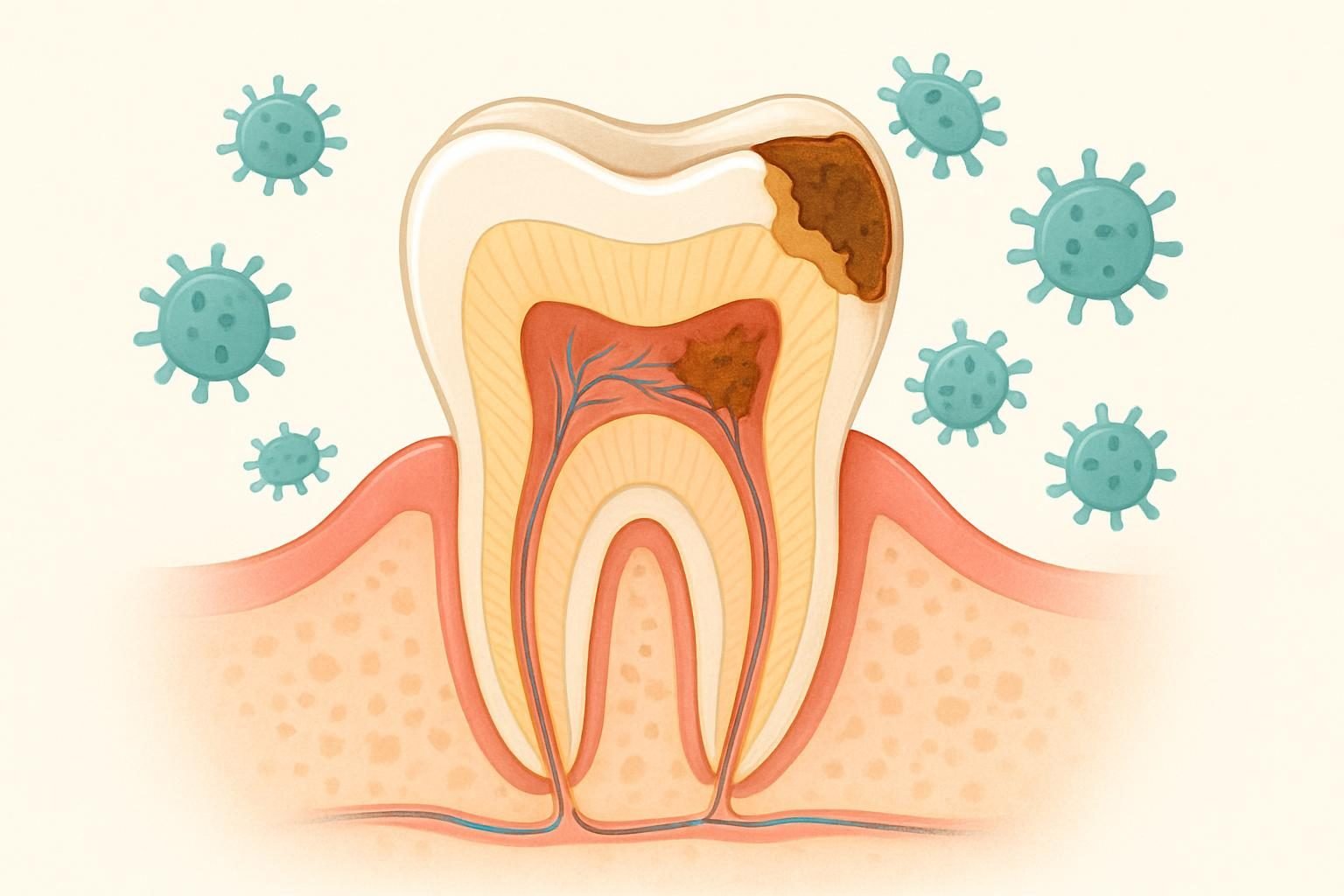
Our teeth are covered with enamel, a tough outer layer that shields them like a hard shell. Inside, there's a softer material called dentin, and at the center, the pulp, housing nerves and blood vessels.

Caries begin when harmful bacteria in the mouth produce acids after feeding on sugars. These acids can wear away the enamel, creating tiny holes.

Without treatment, decay can reach dentin and pulp, leading to pain or infection.

Healthy teeth rely on a delicate balance of acids and protective factors like saliva, which helps neutralize acid and repair damage.

A detailed diagram showing the progression and impact of dental caries on teeth.
Understanding how dental caries affect teeth health.✨ AI-generated illustration (OpenAI) · Generated for GoTo Telemed
🧫 Cell-Level View of Caries

Bacteria in the mouth, such as Streptococcus mutans, play a key role in forming cavities by producing acid2.

This acid triggers demineralization, a process where essential minerals like calcium are lost from the tooth surface, leading to weakened enamel.

Saliva helps remineralize teeth by delivering minerals and keeping an ideal pH balance, much like water can smooth a rough stone over time.

04Science deep-dive

Understanding Dental Caries: A Deep Dive into Five Types

Dental caries, also known as cavities, are a common issue affecting many people worldwide. Various types of cavities affect oral health differently, from tooth roots to areas around past dental work.

Root Caries

Root caries occur when gums recede, exposing tooth roots. Unlike the hard enamel, roots are covered by a softer tissue called cementum, which bacteria can easily erode. This type is common in older adults.

Recurrent Caries

Recurrent caries, or secondary caries, form around existing fillings or crowns. Bacteria can sneak into gaps if a filling does not fit well, leading to new decay. Regular dental check-ups can catch these early.

Rampant Caries

Rampant caries refer to cavities that spread rapidly, affecting many teeth. It's often linked to conditions like dry mouth, where less saliva means fewer natural protections. This form requires urgent dental care.

Early Childhood Caries

Early childhood caries affect young children’s primary teeth, often due to prolonged exposure to sugary drinks in bottles. It’s crucial to protect these teeth as they help guide permanent teeth later.

Arrested Caries

Arrested caries are areas of decay that have stopped progressing. The surface may look darker but harden. While inactive, they still need monitoring to ensure they remain non-progressive.

What the latest research shows

2025Streptococcus mutans and Caries

This study confirmed that Streptococcus mutans, a type of bacteria, is a major cause of caries. The study emphasized the need to understand the whole oral microbiome, not just single species.2

2024Breastfeeding and Early Childhood Caries

Findings indicate breastfeeding has mixed impacts on early childhood caries. While some protection is noted, prolonged feeding, especially at night, may increase risk.8

2024Silver Diamine Fluoride for Caries Prevention

This review highlighted silver diamine fluoride as an effective way to prevent and manage caries among both children and adults, offering a simple application method.9

2021Detection Methods for Early Caries

Emerging detection technologies for early caries are more accurate, helping dentists identify cavities before they progress, which can improve treatment outcomes.10

🔭 Still being studied
05Whole-body effects

Whole Body Impact of Dental Caries

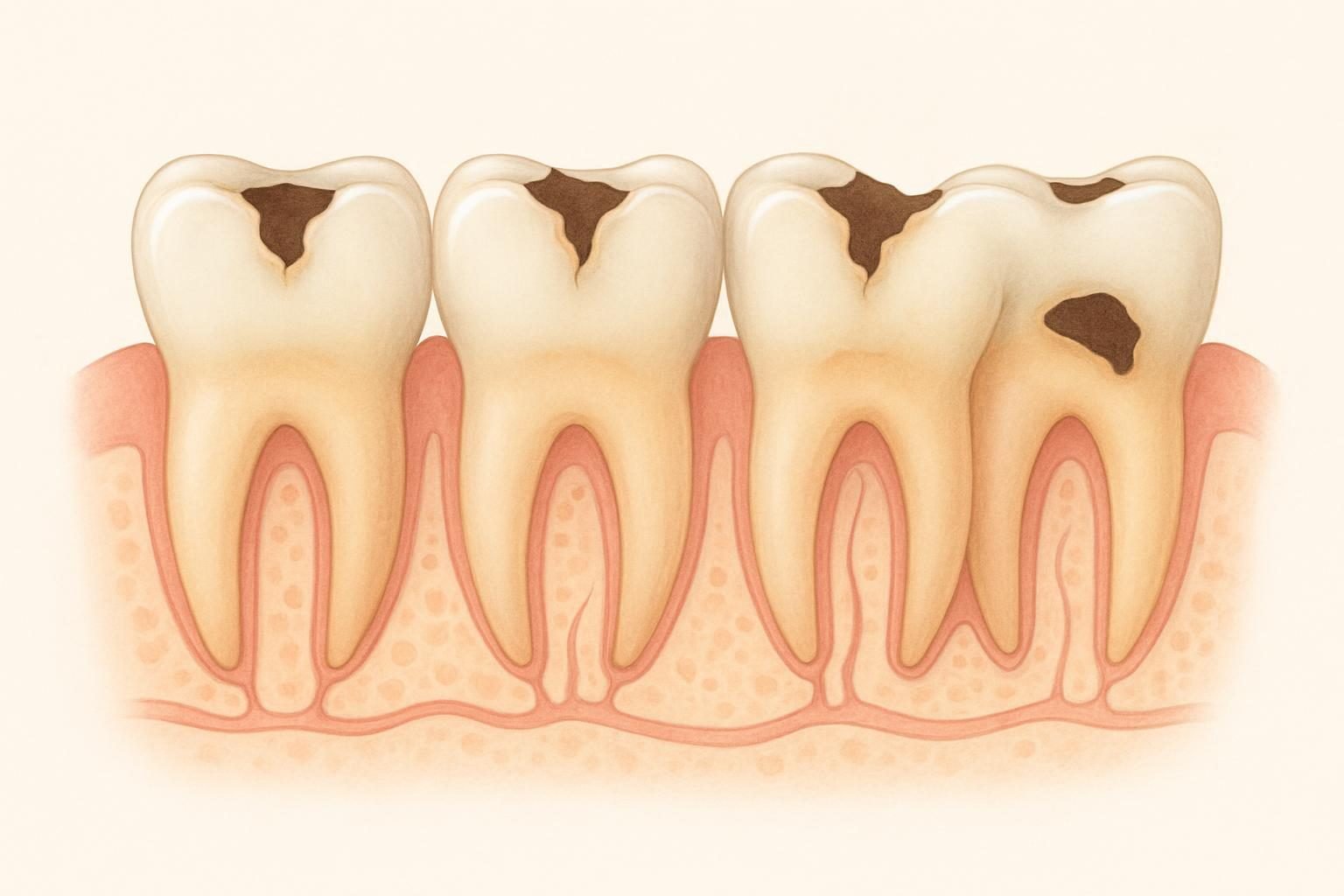
Dental caries affect your whole body, not just teeth. They can cause infections and discomfort. Let's see how cavities affect different body systems.

Diagram showing how untreated dental caries can affect overall body systems.
The ripple effect of untreated dental issues on body systems.✨ AI-generated illustration (OpenAI) · Generated for GoTo Telemed
Digestive System

Caries can make chewing painful, leading to poor digestion and nutrition. This affects how your body processes food. When chewing gets hard, a person might avoid certain foods, leading to a lack of essential nutrients.

strong evidence
Immune System

Infections from untreated caries can weaken the immune response, making it harder for your body to fight other infections. The immune system must work harder to address bacteria entering the bloodstream.

strong evidence
Respiratory System

Bacteria from caries can be inhaled into the lungs, causing respiratory issues. This is especially a concern for older adults and those with chronic conditions.

moderate evidence
Cardiovascular System

There's a moderate link between poor oral health and heart disease. Bacteria from decayed teeth can enter the bloodstream, potentially leading to heart problems.

emerging evidence
Nervous System

Severe tooth decay can cause abscesses, which may press on nerves, leading to pain and discomfort throughout the face and head.

strong evidence
Renal System

There's an emerging understanding of how oral bacteria can affect kidney health. Inflammation from infections may play a role in kidney disease.

emerging evidence
06Know the signs

Recognizing Symptoms of Dental Caries

Identifying dental caries early can prevent serious complications. Look out for these signs to maintain good oral health.

Early signs

  • White or dark spots on teeth
  • Sensitivity to hot or cold foods
  • Pain when chewing
  • Bad breath or a sour taste
  • Visible holes in teeth

Later signs

  • Severe toothache
  • Swelling in gums or face
  • Red, inflamed gums
  • Broken teeth
  • Difficulty eating or speaking
🚨 Call 911 or get emergency care right away if you notice:
  • Severe, unrelenting pain
  • Swelling spreading to the face or neck
  • High fever with tooth pain
  • Difficulty breathing
  • Unstoppable bleeding in the mouth
07Self-check

Quick self-check

Self-checks can help you spot signs of possible dental caries. Here are things to watch for:

Tap what applies to you.

This check is not a diagnosis. A licensed GoTo Telemed practitioner can look at your situation with you.

08Why it happens

Causes and Risk Factors of Dental Caries

Dental caries develop when acids from bacteria break down the tooth surface. Understanding causes helps in prevention.

Poor Oral Hygiene Not brushing and flossing regularly allows bacteria to grow and form plaque, leading to cavities.

High Sugar Diet Sugary foods provide fuel for bacteria, producing acids that wear down teeth7.

Lack of Fluoride Fluoride strengthens enamel. Without it, teeth are more vulnerable to decay5.

Dry Mouth Saliva helps wash away food particles and bacteria. A lack of saliva increases risk.

Dental Anatomy Teeth with deep grooves or those misaligned can trap food and bacteria more easily.

Existing Dental Work Fillings or crowns that don’t fit well can accumulate bacteria under and around them4.

✅ Risks you can change

Brushing twice daily with fluoride toothpasteReducing sugary snacks and drinksUsing dental floss dailyRegular dental check-upsDrinking plenty of water

🧬 Risks you cannot change

Family history of dental issuesAge, particularly in older adultsPrevious dental workCertain medical conditions like diabetes
09Diagnosis

Understanding Dental Caries: Tests and Evaluations

Regular check-ups help catch dental caries early. Here are the key tests used by dental specialists.

1Dental Exam
What it checks
A thorough check of your teeth and gums by a dentist.
Why
To spot signs of decay, gum disease, or other dental issues.
What to expect
The dentist examines your mouth using a mirror and probe. It takes about 20 minutes.
What results mean
Early detection helps in managing decay before it worsens.
2X-rays
What it checks
Images of your teeth taken by a dental X-ray machine.
Why
To see areas between teeth or under fillings where decay might hide.
What to expect
The process is quick, about 5 minutes, with minimal discomfort.
What results mean
X-rays show hidden caries, helping plan precise treatments.
10Care options

Caring for Dental Caries: Modern and Traditional Approaches

Caring for dental caries involves a mix of modern treatments and supportive traditional practices. Addressing decay early protects your teeth and overall health.

🏥 Modern care

  • Fillings Dentists remove decay and fill the cavity with materials like composite resin or amalgam. This stops further decay by sealing off the area.
  • Crowns Crowns cover damaged teeth, restoring shape, size, and strength. They protect against further wear or decay.
  • Root Canal Treatment If decay reaches the pulp (inner tissue), root canals remove the infected tissue, preserving the tooth.
  • Fluoride Treatments Fluoride strengthens teeth and helps remineralize early decay, boosting protection against cavities.
  • Dental Sealants Thin coatings applied to the chewing surfaces of back teeth. They prevent food and bacteria from settling in grooves.
  • Silver Diamine Fluoride This liquid halts decay and prevents further progress, suitable for treating multiple cavities.

🌿 Traditional & integrative

  • Herbal Mouth Rinses Rinses made from herbs like sage or chamomile can reduce bacteria, supporting oral health without replacing treatments.
  • Oil Pulling Swishing coconut or sesame oil in the mouth might reduce bacteria. It's a supportive practice, but not a cure.
  • Green Tea Drinking green tea may help reduce acids in the mouth, offering mild benefits for oral hygiene.

🏃 Everyday habits

  • Brush and Floss Regularly Brushing twice daily and flossing remove plaque and food particles, crucial for preventing cavities.
  • Limit Sugary Snacks Cutting down on sugar reduces the risk of decay since sugar fuels harmful bacteria.
  • Drink Plenty of Water Water helps wash away food particles and neutralize acids, keeping your mouth healthy.
  • Chew Sugar-Free Gum This increases saliva production, which helps to neutralize acids and clean teeth.
  • Attend Regular Dental Check-ups Seeing a dental specialist regularly helps catch issues early and maintain oral health.
  • Use a Fluoride Toothpaste Fluoride strengthens teeth and helps prevent cavities from forming.
11Daily guide

Do’s and don’ts

✔ Do

  • Brush teeth twice a day with fluoride toothpaste.
  • Floss daily to remove food pieces between teeth.
  • Visit a dentist regularly for check-ups.
  • Drink water instead of sugary drinks.
  • Consider dental sealants for added protection.

✖ Don’t

  • Eat too many sugary snacks.
  • Ignore pain or sensitivity in teeth.
  • Skip regular dental visits.
  • Smoke or use tobacco products.
  • Use teeth as tools to open packages.
12Food & drink

Food guide

Eating right helps prevent dental caries, also known as cavities.

🥦 Choose more often

  • Dairy products Calcium strengthens teeth.
  • Leafy greens Packed with vitamins and minerals that promote oral health.
  • Crunchy fruits Apples and pears can help clean teeth naturally.
  • Nuts and seeds Good sources of calcium and other nutrients.

⚠️ Limit

  • Sugary drinks Sugar feeds cavity-causing bacteria.
  • Candies and sweets High sugar content can lead to decay.
  • Sticky foods Can cling to teeth and cause cavities.
  • White bread Breaks down into sugar, promoting decay.
13A day that helps

Your daily routine

  1. Morning
    • Brush teeth with fluoride toothpaste.
    • Drink a glass of water.
    • Eat a healthy breakfast.
  2. Afternoon
    • Rinse mouth with water after meals.
    • Chew sugar-free gum to increase saliva.
    • Limit sugary snacks.
  3. Evening
    • Floss between teeth.
    • Brush teeth before bed.
    • Avoid late-night snacking.
14Prevention

Preventing Dental Caries

Preventing dental caries requires some simple daily habits and regular care. Here are key steps to keep your teeth cavity-free.

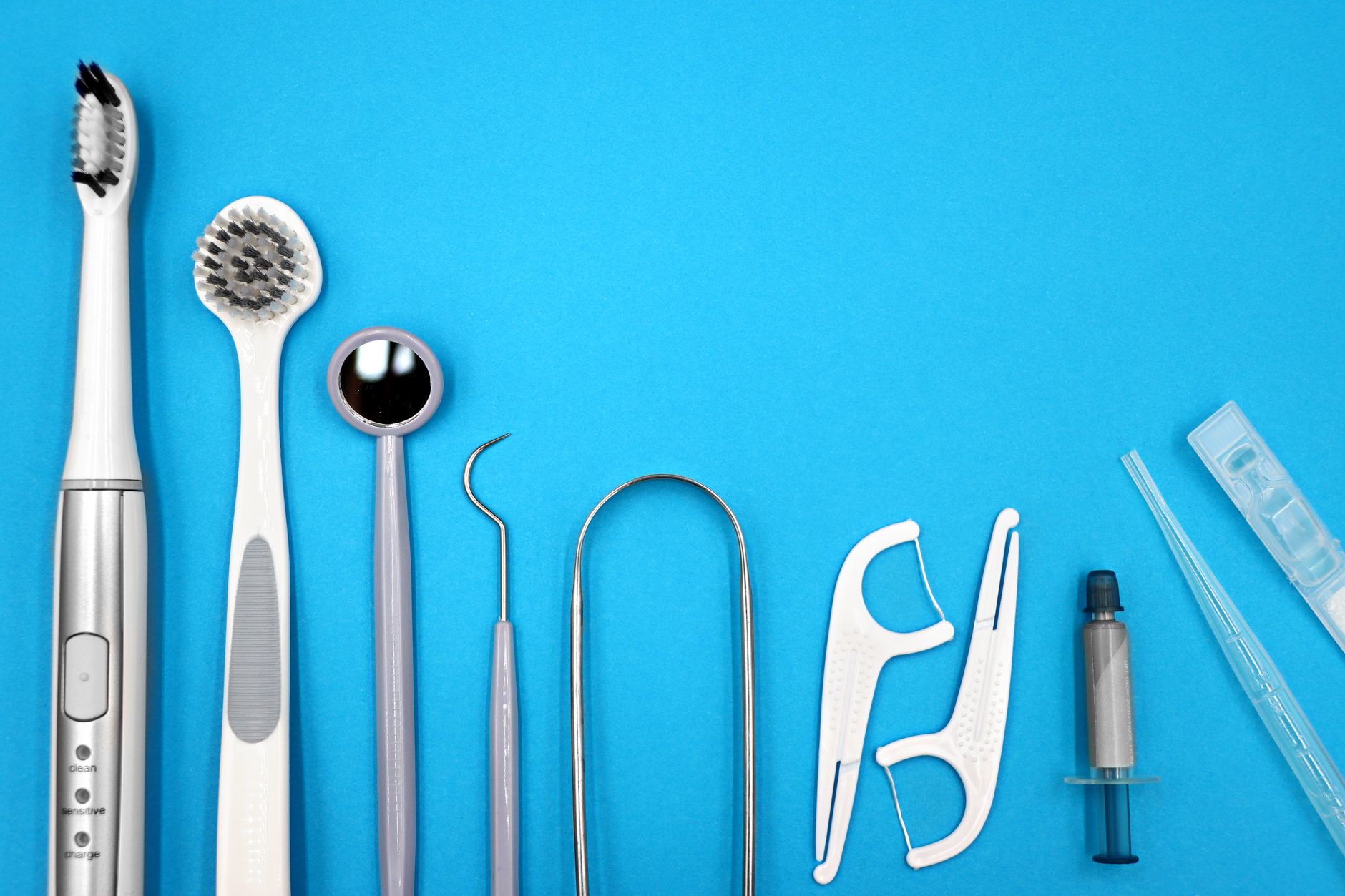
Flat lay of dental care tools including toothbrushes, dental mirror, and floss sticks on blue background.
A comprehensive dental care routine can help prevent caries.Photo: Marta Branco / Pexels · Pexels License
1Brush with Fluoride Toothpaste

Fluoride helps rebuild weak spots in enamel, making teeth more resistant to decay.

2Floss Daily

Removing plaque between teeth prevents cavities from forming in hidden spots.

3Eat a Balanced Diet

A diet low in sugar and high in calcium supports strong, healthy teeth.

4Visit the Dentist Regularly

Regular check-ups catch problems early when they're easiest to treat.

5Use Dental Sealants

These clear coatings protect the chewing surfaces of back teeth, especially in children.

6Drink Water Regularly

Water helps rinse away harmful bacteria and food particles, keeping teeth clean.

7Limit Sugary Drinks

Sugary beverages contribute to acid production, which can lead to cavities.

16Special groups

Children, pregnancy, older adults and more

Children

Supervise brushing to ensure good habits. Consider dental sealants for added protection.

Pregnancy

Maintain good oral hygiene, as hormones can increase risk of caries.

Older adults

Gum recession can lead to root caries, so regular dental check-ups are crucial.

People with diabetes

Control blood sugar levels to reduce risk of caries and gum disease.

17Myths vs facts

Myths and facts

Myth

Cavities only affect kids.

Fact

Adults can get cavities too. Receding gums and dry mouth increase the risk.

Myth

Only sugar causes cavities.

Fact

Starchy foods like bread can also contribute to decay. Bacteria digest them into sugars.

Myth

If my tooth doesn't hurt, it's not decaying.

Fact

Early caries may be painless. Regular dental checks identify unnoticed decay.

Myth

I brush once a day, so I’m safe from cavities.

Fact

Brushing twice daily and flossing are essential to effectively prevent caries.

18Case studies

Case studies: stories that teach

Simulated examples to help you understand — not real patients.

Simulated case

Root Caries in an Older Adult

James · 65 · Florida
“I didn’t realize gum issues could affect my teeth like this.”

James is a retired teacher who loves gardening.

James noticed pain in his gums while chewing. He thought it was just his age, but it continued. He lives in a sunny area, loves spending time outdoors, and enjoys a good cup of coffee. However, he skipped dental visits thinking he had good brushing habits. Finally, the discomfort got him to visit a GoTo Telemed dental specialist.

  1. Week 1Noticed gum sensitivity while chewing.
  2. Week 3Persistent discomfort, attempted self-treatment with herbal rinses.
  3. Week 5Visited a dental specialist for evaluation.
  4. Week 6Diagnosis of root caries due to gum recession.
Signs
Gum sensitivity · Pain while chewing
Tests
Dental Exam
Findings
The dental exam showed decay on exposed tooth roots due to receding gums.
Care
James received fluoride treatments to strengthen his teeth and protect against further decay. He also started using special toothpaste for sensitive teeth and scheduled regular check-ups.
Outcome
Pain reduced significantly, and James enjoyed his meals again.
💡 Regular dental visits are vital, even if you think your teeth are fine.

Simulated case

Recurrent Caries After a Filling

Sophia · 34 · California
“It’s a wake-up call to not take fillings for granted.”

Sophia is a busy software developer with a hectic schedule.

Sophia experienced discomfort around a tooth that had a filling a year before. Her sweet tooth often led to candy snacks during work. She noticed sensitivity when eating sweets or drinking cold water. Her busy schedule didn't stop her from seeking help through a GoTo Telemed appointment due to the discomfort.

  1. Month 1Felt sensitivity in a previously filled tooth.
  2. Month 2Occasional pain while eating.
  3. Month 3Sought a telehealth consult for recurring pain.
Signs
Tooth sensitivity · Pain near filled tooth
Tests
Dental Exam · X-rays
Findings
X-rays showed recurrent decay around an old filling.
Care
Sophia had the filling replaced with a better-fitting material. She also learned about proper flossing techniques to prevent recurrence.
Outcome
She became more mindful of oral hygiene and snacks, reducing sensitivity.
💡 Even well-treated teeth need continued care and attention.
Simulated case

Rampant Caries in a Teen

Emily · 16 · New York
“I didn’t realize how drinks were affecting my teeth until this happened.”

Emily is a high school student and talented athlete.

Emily loved sports drinks during practice, but noticed her teeth felt strange afterward. Her coach suggested she talk to a GoTo Telemed specialist. The rapid spread of decay surprised her and affected her performance, due to both pain and self-consciousness about her smile.

  1. Week 1Felt tooth sensitivity after drinking sports drinks.
  2. Week 2Noticed visible spots on multiple teeth.
  3. Week 4Consulted with a dental specialist for advice.
  4. Week 6Began treatment to halt decay.
Signs
Tooth sensitivity · Visible spots on teeth
Tests
X-rays
Findings
X-rays revealed decay spreading rapidly in several teeth.
Care
Emily received fluoride treatments and learned about dietary changes. She switched to water during practices.
Outcome
Her symptoms improved, and Emily felt more confident and focused during sports.
💡 Awareness of dietary habits can protect teeth and overall health.
Simulated case

Early Childhood Caries in a Toddler

Liam · 3 · Texas
“It’s amazing how small changes can make a big difference.”

Liam is an energetic toddler who loves playing outside.

Liam's parents noticed his reluctance to eat certain foods and bad breath. Seeing spots on his front teeth, they consulted a GoTo Telemed dentist. The shock of finding cavities in such a young child made them rethink bedtime routines and snacks.

  1. Month 1Parents noticed bad breath and food refusal.
  2. Month 2White spots appeared on front teeth.
  3. Month 3Sought dental advice for young Liam.
Signs
Bad breath · White spots on teeth
Tests
Dental Exam
Findings
Liam had early childhood caries due to bottle-feeding at night.
Care
He began receiving regular fluoride varnish applications and parents adjusted feeding habits, reducing sweetened drinks.
Outcome
Liam's mood and eating improved with healthier routines.
💡 Early habits truly matter, even at a young age.
19Get care

When to Talk to a GoTo Telemed Practitioner

Dental health is crucial not only for your smile but also for overall well-being. Detecting issues early makes them easier and less costly to treat. If you notice any unusual changes in your teeth or experience discomfort, it's wise to consult a professional promptly.

  • Severe or lasting toothache
  • Swelling in the face or gums
  • Broken or chipped teeth
  • Redness and pus in gums
  • Persistent bad breath or taste
20Quiz

Check what you learned

1. What can increase the risk of dental caries?

A diet high in sugar fuels bacteria that cause cavities.

Show the answer

High sugar diet — A diet high in sugar fuels bacteria that cause cavities.

2. What is root caries?

Root caries occur when gums recede and roots are exposed.

Show the answer

Decay on exposed tooth roots — Root caries occur when gums recede and roots are exposed.

3. Which treatment can halt cavity progression?

Silver diamine fluoride is a treatment that prevents decay from worsening.

Show the answer

Silver diamine fluoride — Silver diamine fluoride is a treatment that prevents decay from worsening.

4. What can fluoride do for teeth?

Fluoride helps strengthen teeth and prevents cavities.

Show the answer

Strengthen them — Fluoride helps strengthen teeth and prevents cavities.

5. Why are regular dental check-ups important?

Regular check-ups catch problems early, making them easier to treat.

Show the answer

Catch issues early — Regular check-ups catch problems early, making them easier to treat.

21Questions

Frequently asked questions

What causes dental caries?

Dental caries happen when bacteria in the mouth create acid that eats away at teeth.

How can I prevent cavities?

Good oral hygiene, reducing sugary foods, and regular dental visits can help prevent cavities.

What are root caries?

Root caries occur on the exposed roots of teeth, often due to receding gums.

Why do cavities reoccur under fillings?

Recurrent caries can happen if a filling doesn’t fit properly, allowing bacteria to enter.

What are rampant caries?

Rampant caries are rapid, widespread tooth decay involving multiple teeth.

How do I treat early childhood caries?

Professional fluoride treatments and changing feeding habits can help manage and prevent progression.

Can diet affect my dental health?

Yes, diets high in sugar increase the risk of dental caries by feeding harmful bacteria.

What are silver diamine fluoride treatments?

These treatments stop decay from getting worse and are particularly helpful for multiple cavities.

Can traditional remedies help dental health?

Herbal rinses and practices like oil pulling can support oral health but don’t replace dental treatments.

Why is fluoride important?

Fluoride strengthens teeth, helping prevent and slow the progression of caries.

22Words to know

Glossary

Dental Caries
Tooth decay caused by bacteria creating acid from sugar.
Root Caries
Decay occurring on the exposed roots of teeth.
Recurrent Caries
Decay that happens around or under existing dental fillings.
Rampant Caries
Rapid, extensive decay affecting multiple teeth.
Early Childhood Caries
Tooth decay in young children's teeth, often due to prolonged bottle use.
Arrested Caries
Decay that has stopped progressing but needs regular monitoring.
Fluoride
A mineral that strengthens teeth and helps prevent cavities.
Dental Sealants
Protective coatings applied to teeth to prevent decay.
Saliva
The watery liquid in the mouth that helps digestion and cleans teeth.
Plaque
A sticky film of bacteria that forms on teeth.
Fillings
Materials used by dentists to fill cavities after decay is removed.
Crown
A cap placed over a tooth to restore its shape, size, and function.
Root Canal
A treatment to remove infected tissue from inside a tooth.
X-ray
A picture that shows the inside of teeth and bones.
23The bottom line

A Healthy Smile is Within Your Reach

Understanding dental caries helps in taking proactive steps towards better oral health. The key is catching issues early and addressing them promptly with the help of professionals.

Combining modern treatments with supportive traditional practices can create a comprehensive care approach. Whether it's adjusting diets, using fluoride, or scheduling regular check-ups, each action contributes to healthier teeth.

Reach out to a GoTo Telemed dental specialist to tailor preventive strategies and treatment plans for your needs. A healthier, pain-free smile is possible with the right care and attention.

24Sources

References

  1. Early Childhood Caries CDCWeb
  2. Streptococcus mutans and Caries: A Systematic Review and Meta-Analysis Journal of dental research (2025)PubMed 39895020
  3. Root Caries in Older Adults National Institute on AgingWeb
  4. What are Dental Caries? NHSWeb
  5. The Role of Fluoride in Oral Health WHOWeb
  6. Effectiveness of Dental Sealants CDCWeb
  7. Diet and Tooth Decay WHOWeb
  8. Association of Breastfeeding and Early Childhood Caries: A Systematic Review and Meta-Analysis Nutrients (2024)PubMed 38732602
  9. Topical silver diamine fluoride (SDF) for preventing and managing dental caries in children and adults The Cochrane database of systematic reviews (2024)PubMed 39508296
  10. Detection Methods for Early Caries Diagnosis: A Systematic Review and Meta-Analysis Caries research (2021)PubMed 34130279
  11. Root Decay and Gum Disease Cleveland ClinicWeb
  12. Rampant Caries: Causes and Prevention American Dental AssociationWeb
  13. Oral Hygiene Basics Mayo ClinicWeb
  14. Regular Dental Assessments CDCWeb
  15. Complications of Untreated Caries Cleveland ClinicWeb
  16. Management of Recurrent Caries Journal of DentistryWeb
  17. Understanding Rampant Caries American Academy of Pediatric DentistryWeb
  18. A systematic review and meta-analysis on early-childhood-caries global data BMC oral health (2024)PubMed 39049051
  19. Global prevalence of edentulism and dental caries in middle-aged and elderly persons: A systematic review and meta-analysis Journal of dentistry (2022)PubMed 36265526
  20. Nonrestorative Caries Treatment: A Systematic Review Update International dental journal (2022)PubMed 35879115
  21. Zirconia Crowns for Primary Teeth: A Systematic Review and Meta-Analyses International journal of environmental research and public health (2022)PubMed 35270531
  22. Tooth Decay MedlinePlus (U.S. National Library of Medicine)MedlinePlus
  23. Child Dental Health MedlinePlus (U.S. National Library of Medicine)MedlinePlus

This article is general health education written with AI assistance and reviewed by the GoTo Telemed editorial team. It is not a diagnosis or a treatment plan. Case studies are simulated examples, not real patients. For advice about your own health, talk to a licensed GoTo Telemed practitioner. In an emergency call 911.

Scroll to Top