Father and daughter in matching pajamas brushing teeth together in a cozy bathroom.
📚 Health Library🦷 Dental & Oral Health🩺 General & Preventive Care🥗 Nutrition & Weight

Protecting Your Smile: Understanding Dental Erosion

How acid—even without germs—can wear away your teeth and what you can do

GoTo Telemed Medical Editorial TeamAI-assisted · Updated 2026-10-23
⏱ 16 min read📘 Reading level 7📚 13 references🏷️ Dental erosion, Gastroesophageal reflux disease, Bulimia (eating disorder)
Brushing together can make dental care a family routine. Photo: RDNE Stock project / Pexels · Pexels License
☰ Contents
  1. Protecting Your Smile: Understanding Dental Erosion
  2. By the numbers
  3. What Happens Inside Your Mouth with Dental Erosion
  4. The Science Behind Dental Erosion
  5. How Dental Erosion Affects Your Whole Body
  6. Recognizing the Signs of Dental Erosion
  7. Quick self-check
  8. What Causes Dental Erosion?
  9. Common Tests for Dental Erosion
  10. Caring for Your Teeth with Dental Erosion
  11. Do’s and don’ts
  12. Food guide
  13. Your daily routine
  14. Preventing Dental Erosion
  15. Gallery
  16. Children, pregnancy, older adults and more
  17. Myths and facts
  18. Case studies: stories that teach
  19. Clinical pearls for providers
  20. When to Talk to a GoTo Telemed Practitioner
  21. Check what you learned
  22. Frequently asked questions
  23. Glossary
  24. Keep Your Smile Bright
  25. References
⭐ Key takeaways
  • Dental erosion is enamel loss due to acids, not bacteria.
  • Enamel protects teeth by shielding the sensitive dentine.
  • Frequent acid exposure without recovery leads to erosion.
  • Rinse with water or chew gum to neutralize acids.
  • Traditional and modern care can protect teeth from erosion.
  • Seek guidance for personalized advice on caring for your teeth.
01Overview

Protecting Your Smile: Understanding Dental Erosion

Emma noticed her teeth looked different in the mirror. They seemed dull and yellowish. She wondered if her love for citrus juices was the cause.

Dental erosion is when the hard surface of your tooth, called enamel, wears away due to acids. Unlike cavities, this isn’t caused by bacteria. Everyday sources like acidic drinks or stomach acid can lead to this condition. This makes enamel thinner and may expose the softer layer underneath, called dentine.

Dental erosion can affect anyone, but some people are at higher risk. About 20% to 45% of adults and 30% to 50% of children worldwide have noticeable tooth erosion1. This can be even higher in certain groups, like those with gastroesophageal reflux disease (GERD) or eating disorders such as bulimia, where vomiting is frequent. These conditions bring stomach acid into the mouth, causing more damage.

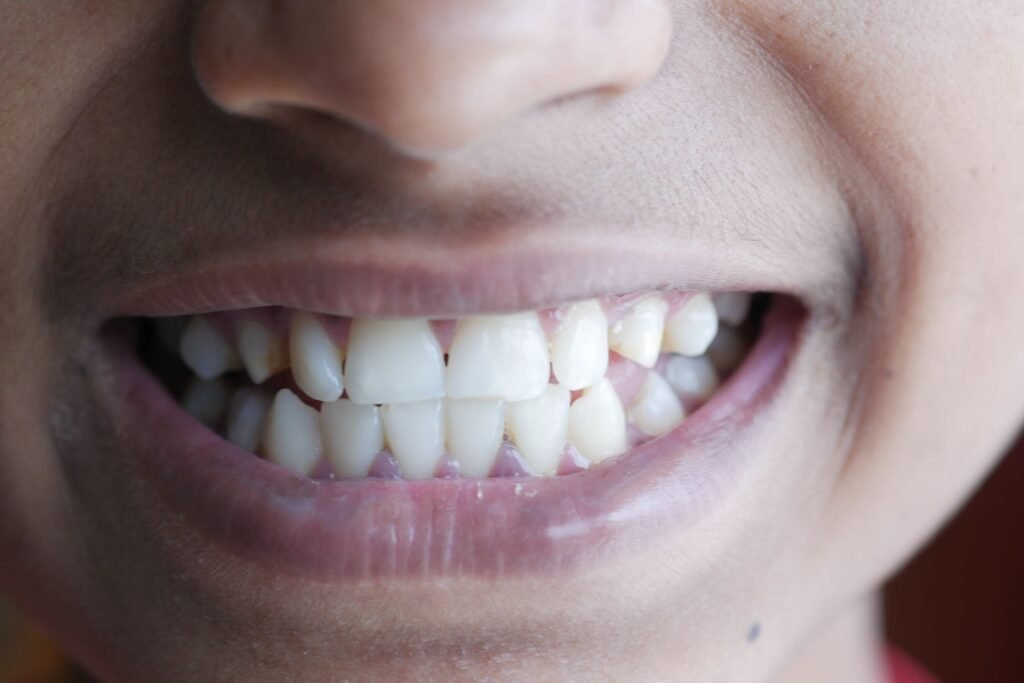
Dental erosion matters because it weakens teeth and can lead to discomfort. Thin enamel can make teeth more sensitive to hot or cold food and drinks. It can also change how your smile looks, making teeth appear duller or more yellow. This impacts not just health, but confidence too.

This article will explore how dental erosion happens, what makes it worse, and how you can protect your teeth. Knowing how erosion works and following simple tips can help keep your smile healthy.

02By the numbers

By the numbers

20–45%
Adults worldwide with permanent tooth erosion

About 1 in 5 to nearly half of adults worldwide show signs of erosion.1

30–50%
Children with erosion in baby teeth

Up to 1 in 2 children show signs of erosion in baby teeth.1

46%
U.S. children with erosive tooth wear (NHANES 2003–2004)

Nearly 1 in 2 U.S. children showed signs of wear.1

8 in 10
U.S. adults with erosive tooth wear (NHANES 2003–2004)

About 8 in 10 U.S. adults showed signs of wear.1

46 out of every 100 — U.S. children with erosive tooth wear (NHANES 2003–2004)
03Inside the body

What Happens Inside Your Mouth with Dental Erosion

Your teeth are covered with enamel, the hardest substance in your body. Think of enamel as a shield that protects the softer parts inside your tooth, like dentine. When acids from foods or stomach juices touch the enamel, they weaken it and make it softer.

Under normal conditions, saliva acts like a repairman. It helps neutralize acids and gives minerals back to the enamel. But if acids attack too often without enough recovery time, the enamel might lose more than it regains.

Without enough enamel, the tooth becomes sensitive and might wear down to dentine. This layer is not as hard and can get affected more quickly, leading to changes in appearance and more sensitivity to hot or cold.

Over time, without protection, the tooth surface can become chipped or develop small depressions, making it look uneven. Recognizing these signs early can help in taking steps to protect the enamel.

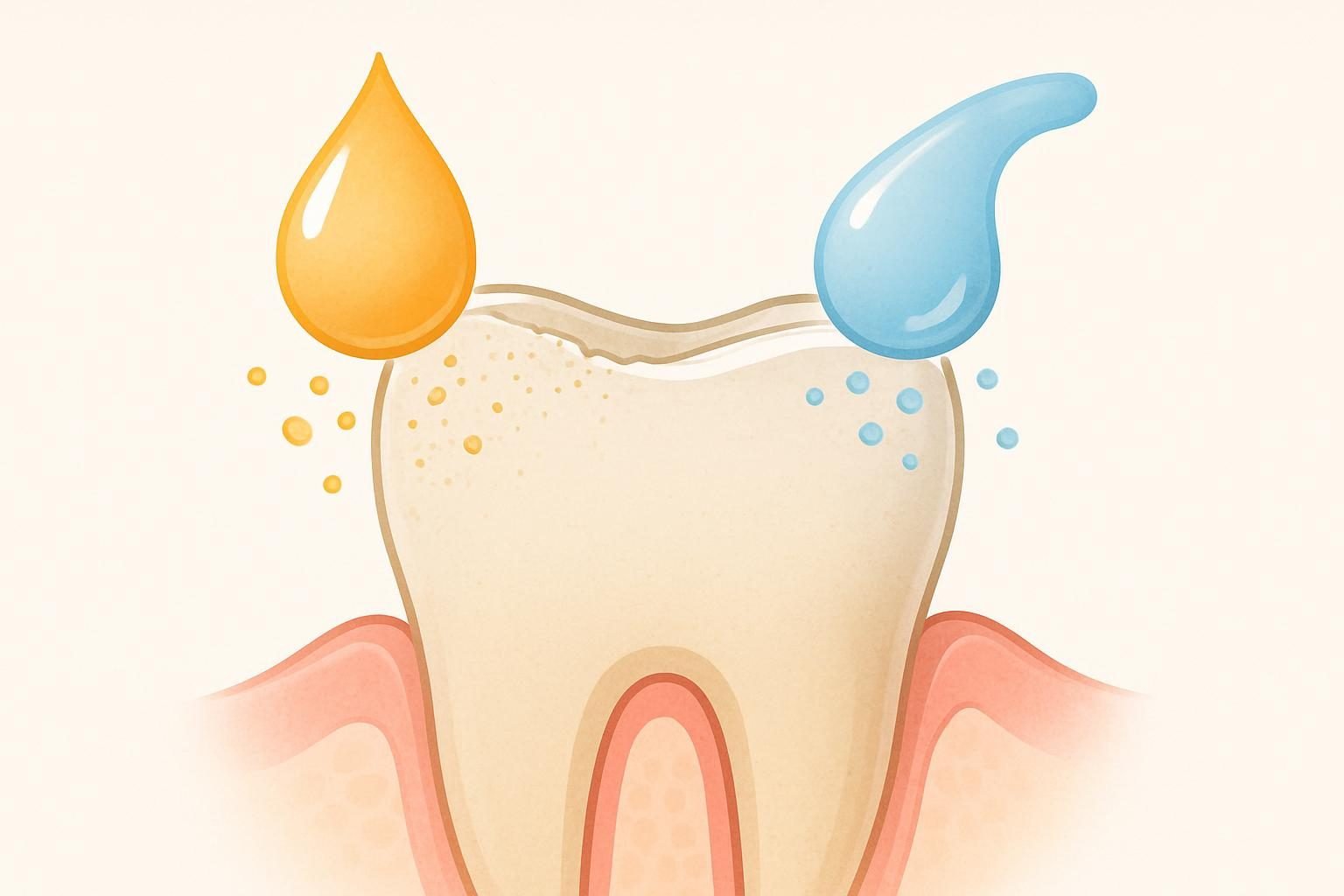
Illustration showing the process of dental erosion at the cellular level.
Understanding the cellular changes in dental erosion.✨ AI-generated illustration (OpenAI) · Generated for GoTo Telemed
🧫 Inside the Cells of Your Teeth During Erosion

On a cellular level, enamel is made of tightly packed mineral crystals. Acids can dissolve these crystals, shrinking the protective shield.

In saliva, special molecules work to redeposit minerals and heal the soft spots in the enamel. But this process takes time and needs gaps between acid attacks.

Cells in your mouth also produce proteins that help in healing. If acid exposure is continuous, these cells can't keep up, leading to lasting damage.

04Science deep-dive

The Science Behind Dental Erosion

When you drink a soda or have an orange, acids start working on your teeth. This is dental erosion, the chemical wear of tooth enamel caused by acids not from bacteria. Understanding this process helps us protect our teeth.

The Role of Enamel

Enamel is the hard outer layer of your teeth, similar to a shield. Acids can soften this protective layer, exposing the softer dentine underneath. This makes teeth more vulnerable to damage.

Acid Sources

Erosion happens when teeth face acids from drinks like sodas or from stomach acid in reflux. These acids dissolve minerals from enamel, causing it to thin out over time.

Saliva's Protective Role

Saliva neutralizes acids and helps rebuild enamel. Think of it like a firefighter, extinguishing acid 'fires' before they do long-term harm.

Intrinsic vs. Extrinsic Erosion

Intrinsic erosion happens from inside the body, like stomach acid during reflux or vomiting. Extrinsic erosion comes from external sources like food and drinks.

Time and Frequency

Each acid attack softens enamel for around 20 to 30 minutes. Without recovery time, damage can become lasting.

What the latest research shows

2024Risk Factors in Dental Erosion

GERD and specific diets increase erosion risk, highlighting the need for special attention.2

2023Saliva and Tooth Wear

This study confirmed low saliva was linked to more erosion. Helping saliva flow may protect teeth.3

2024Athletes and Oral Health

Athletes often face erosion due to diet. Sports diets high in sugars cause significant tooth wear.4

2022GERD’s Impact on Oral Health

GERD can cause dental erosion, raising the need for thorough oral care.5

🔭 Still being studied
05Whole-body effects

How Dental Erosion Affects Your Whole Body

Dental erosion impacts more than just teeth; it affects your whole body. Knowing these links helps protect your overall health.

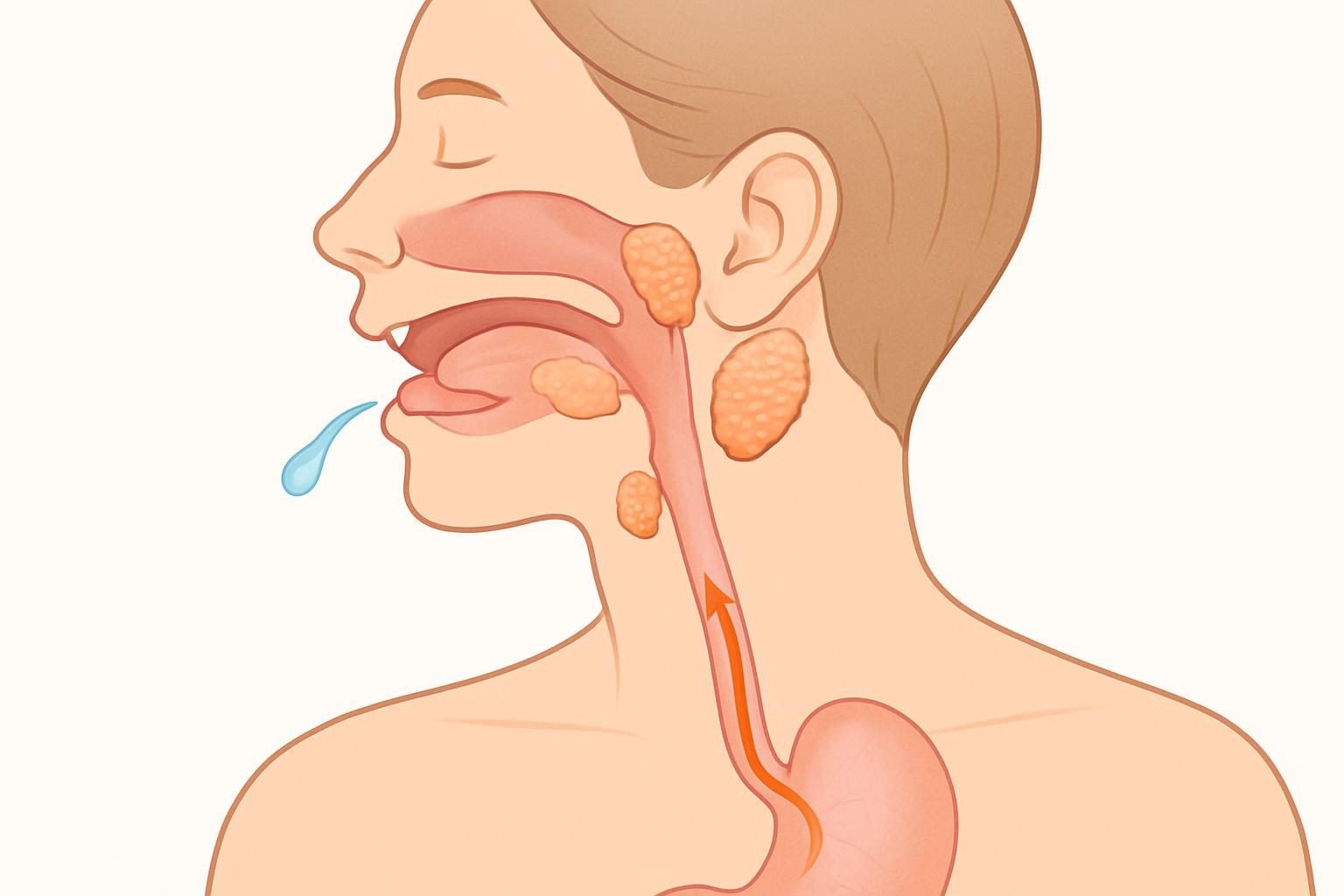
Diagram showing the impact of dental erosion on teeth and oral system.
Dental erosion affects more than just the surface of your teeth.✨ AI-generated illustration (OpenAI) · Generated for GoTo Telemed
Digestive System

Frequent acid exposure from dental erosion can affect digestion. Teeth help break down food, and damaged teeth can make eating less effective.

moderate evidence
Respiratory System

Untreated dental erosion might lead to infections. These can spread, increasing the risk of respiratory illnesses.

emerging evidence
Immune System

Dental erosion can cause inflammation in the mouth. Persistent inflammation might weaken your immune defenses.

emerging evidence
Nervous System

Pain from tooth sensitivity can result from erosion. This constant discomfort affects your nerves and can impact your mood.

strong evidence
Endocrine System

Conditions linked to erosion, like GERD, can affect hormone levels. Hormonal imbalances can impact your body's essential functions.

moderate evidence
Muscular System

Chewing with weak teeth can strain jaw muscles. This strain may lead to muscle pain or even headaches.

emerging evidence
06Know the signs

Recognizing the Signs of Dental Erosion

Dental erosion can be subtle. Watch for these early and later signs to take action.

Early signs

  • Teeth look slightly yellow
  • Teeth feel more sensitive to hot or cold
  • Smooth texture on tooth surfaces
  • Faint lines or curves on tooth tips

Later signs

  • Noticeable tooth shape changes
  • Teeth appear transparent at edges
  • Dents on the tops of teeth
  • Increased sensitivity during eating
  • Chipping or cracking of teeth
🚨 Call 911 or get emergency care right away if you notice:
  • Severe tooth pain
  • Swelling in the mouth
  • Bleeding gums
  • Infection signs like pus or fever
07Self-check

Quick self-check

Check these statements to see if dental erosion might be affecting you.

Tap what applies to you.

This check is not a diagnosis. A licensed GoTo Telemed practitioner can look at your situation with you.

08Why it happens

What Causes Dental Erosion?

Understanding what causes dental erosion helps you take preventive steps to protect your smile.

Acidic Foods and Drinks Frequent consumption of citrus fruits, vinegar-based foods, and sodas can slowly wear away enamel.

Gastroesophageal Reflux Disease (GERD) Stomach acid flows back into the mouth, causing damage to the teeth.

Frequent Vomiting Common in conditions like bulimia, vomiting exposes teeth to harsh acids.

Low Saliva Production Saliva neutralizes acids. Less saliva means less protection for your teeth.

✅ Risks you can change

Cut down on acidic drinksAvoid swishing or holding acidic drinks in your mouthIncrease water intakeUse sugar-free gum to stimulate salivaRinse mouth with water after eating acidic foods

🧬 Risks you cannot change

AgeGenetic predispositionMedical conditions like GERD
09Diagnosis

Common Tests for Dental Erosion

Dental erosion affects the hard outer layer of your teeth. Testing helps find problems early, so you can protect your smile.

1Dental examination
What it checks
Looks for changes in tooth enamel and shape.
Why
Identifies early signs of erosion like flattening or cupping of teeth.
What to expect
A dentist uses tools to check your teeth's surface and shape. It takes about 30 minutes.
What results mean
Findings can reveal enamel loss, helping to decide on protective treatments.
2X-rays
What it checks
Captures images of teeth and jawbones.
Why
Shows hidden damage or changes below the gum line.
What to expect
The machine takes pictures while you bite a film holder. It's quick and painless.
What results mean
Can confirm how much enamel or dentine is lost.
3Tooth decay assessment
What it checks
Looks for cavities along with erosion signs.
Why
Erosion weakens enamel, increasing decay risk.
What to expect
The dentist probes gently with an instrument. It feels like light touching.
What results mean
Shows areas vulnerable to decay, guiding care decisions.
4pH testing of saliva
What it checks
Measures acidity of saliva in your mouth.
Why
Saliva helps neutralize acids; too little can increase erosion risk.
What to expect
Spit into a small cup for easy testing. The process takes a few minutes.
What results mean
Acidic saliva indicates higher risk, suggesting changes to diet or habits.
5Dietary analysis
What it checks
Reviews eating habits for acidic foods and drinks.
Why
Frequent acid exposure can worsen erosion.
What to expect
Answer questions about your meals and snacks. It takes about 15 minutes.
What results mean
Helps identify risky foods to limit in your diet.
10Care options

Caring for Your Teeth with Dental Erosion

Combining modern and traditional methods protects teeth from erosion. Here’s how to care for your smile.

🏥 Modern care

  • Fluoride treatments Fluoride strengthens enamel and helps repair early damage. Dentists apply it as a gel or varnish during your visit.
  • Restorative dentistry Crowns or veneers cover damaged teeth and restore their shape. These durable layers protect against further erosion.
  • Desensitizing toothpaste Special toothpaste soothes sensitive teeth by blocking sensations. Regular use helps ease daily discomfort.
  • Bite guards Worn at night, they protect teeth from grinding damage, reducing further wear and tear.
  • Regular dental check-ups Regular visits help detect and manage erosion early with personalized advice.

🌿 Traditional & integrative

  • Ayurvedic oil pulling Swishing oil like coconut oil can help maintain oral hygiene by reducing harmful bacteria.
  • Green tea rinses Rich in antioxidants, green tea rinses may support oral health by reducing acidity.
  • Licorice root chews This herbal root may help protect teeth by promoting saliva production, keeping the mouth less acidic.

🏃 Everyday habits

  • Limit acidic foods and drinks Cut back on sodas and citrus juices to protect enamel.
  • Use a straw When drinking acidic beverages, a straw helps minimize contact with teeth.
  • Drink water after meals Water rinses away acids and sugars that can harm teeth.
  • Chew sugar-free gum Gum stimulates saliva flow, which helps neutralize acids and supports enamel repair.
  • Wait before brushing Brush about 30-60 minutes after acidic exposure to avoid scrubbing softened enamel away.
11Daily guide

Do’s and don’ts

✔ Do

  • Drink water between meals to help your mouth stay clean.
  • Use toothpaste with fluoride to protect your teeth.
  • Wait 30-60 minutes before brushing after eating acidic foods.
  • Chew sugar-free gum to increase saliva flow.
  • Visit a dentist for regular check-ups.

✖ Don’t

  • Avoid frequent sipping of sodas and energy drinks.
  • Don't brush teeth right after eating acidic foods.
  • Avoid using mouthwash with alcohol.
  • Don't skip dental visits.
  • Avoid sugary snacks and candies.
12Food & drink

Food guide

Food choices can protect or harm your teeth. Choose wisely to avoid erosion.

🥦 Choose more often

  • Dairy products They help strengthen enamel with calcium.
  • Fibrous vegetables These help clean teeth naturally.
  • Nuts They provide minerals that are good for teeth.
  • Water It washes away acids and sugars.

⚠️ Limit

  • Sodas They contain acids that can erode enamel.
  • Citrus fruits High in acid, which can weaken enamel.
  • Vinegar-based dressings Contain acids that can wear down enamel.
  • Candies Sugary and sticky, lingering acids cause harm.
13A day that helps

Your daily routine

  1. Morning
    • Brush with fluoride toothpaste.
    • Drink a glass of water.
    • Eat a balanced breakfast.
  2. Afternoon
    • Rinse your mouth with water after lunch.
    • Opt for a non-acidic drink.
    • Snack on crunchy vegetables.
  3. Evening
    • Brush your teeth before bed.
    • Floss to remove food particles.
    • Rinse with fluoride mouthwash.
14Prevention

Preventing Dental Erosion

Keeping your teeth healthy involves simple steps you can take each day. Here’s how you can prevent erosion.

Woman in a yellow sweater drinks water from a transparent glass.
Drinking water helps maintain oral health and prevent erosion.Photo: Andrea Piacquadio / Pexels · Pexels License
1Balanced diet

Eat a variety of foods to support overall health and limit acidic drinks to mealtimes.

2Saliva boosters

Stay hydrated and chew sugar-free gum to help your saliva protect your teeth.

3Protective dental treatments

Regular fluoride treatments can strengthen your teeth and prevent future erosion.

4Avoid smoking

Smoking reduces saliva flow, making your mouth more acidic and risky for erosion.

5Mind your meds

Some drugs cause dry mouth; consult a practitioner if you notice this side effect.

6Acid reflux management

Control acid reflux symptoms with dietary changes or medication to protect your teeth from stomach acids.

7Personal oral hygiene

Brush gently twice a day and floss daily to maintain healthy enamel.

16Special groups

Children, pregnancy, older adults and more

Children

Limit sugary and acidic drinks to protect young enamel. Encourage regular dental check-ups.

Pregnancy

Maintain good oral hygiene and avoid frequent acidic snacks. Hormonal changes can affect teeth.

Older adults

Stay hydrated to avoid dry mouth and protect remaining enamel. Regular dental visits are important.

People with diabetes

Monitor blood sugar levels to reduce mouth acidity. Maintain regular dental care to prevent erosion.

17Myths vs facts

Myths and facts

Myth

Only acidic foods cause erosion.

Fact

Many factors contribute, including low saliva and gastric reflux.

Myth

Erosion only affects older adults.

Fact

It can affect children and adults of any age.

Myth

Dental erosion can be reversed entirely.

Fact

While some damage may be repaired, severe erosion leaves permanent changes.

Myth

If teeth aren't sensitive, they’re fine.

Fact

Erosion can occur without sensitivity, so regular check-ups are important.

18Case studies

Case studies: stories that teach

Simulated examples to help you understand — not real patients.

Simulated case

Sam's Tooth Troubles

Sam · 16 · California
“I didn't realize sports drinks could harm my teeth!”

Sam is a high school athlete who loves sports drinks.

Sam noticed his teeth were more sensitive, especially when drinking cold water after practice. He also saw that some teeth looked a bit yellow. Sam discussed these changes with a GoTo Telemed practitioner during an online check-up. They explored Sam's diet and discovered he regularly consumed sports drinks. These were causing acid exposure, leading to enamel wear.

  1. Month 1Noticed sensitivity to cold drinks.
  2. Month 2Observed yellowing of teeth.
  3. Month 3Contacted GoTo Telemed for advice.
  4. Month 4Started using a straw and switched to hydrating with water.
Signs
Yellowing teeth · Increased sensitivity · Smooth tooth surfaces
Tests
Dental examination (look for enamel loss, cupping, flattening)
Findings
The examination showed early signs of enamel loss from sports drink consumption.
Care
Sam began using fluoride toothpaste and reduced acidic drink intake with help from a care plan.
Outcome
Less sensitivity and stable enamel after three months.
💡 Simple dietary changes can protect your smile.

Simulated case

Mary's Morning Habit

Mary · 45 · Texas
“A few tweaks in my routine turned everything around.”

Mary starts every day with a glass of orange juice.

Mary loved her orange juice but noticed her teeth felt rough and looked transparent at the edges over time. During a GoTo Telemed consultation, they identified dental erosion as the cause. The practitioner recommended changes to protect her enamel. Mary adopted new habits that included a gentler care routine for her teeth.

  1. Week 1Teeth felt rough.
  2. Week 2Noticed transparency at edges.
  3. Week 3Consulted GoTo Telemed practitioner.
  4. Week 4Switched to water and adjusted brushing routine.
Signs
Rough enamel · Transparency on edges · Tooth sensitivity
Tests
Dietary analysis
Findings
Frequent acidic intake without time to recover led to enamel loss.
Care
Mary started using a straw for juice and waited before brushing after meals.
Outcome
Improved tooth texture and appearance after adopting these new habits.
💡 Small daily changes make a big difference.
Simulated case

Bob's Sour Surprise

Bob · 66 · Florida
“Cooking doesn't have to compromise my smile anymore!”

Bob enjoys cooking with lemon and vinegar.

Bob's passion for cooking often included tasting recipes with lemon juice or vinegar. Over time, he noticed more sensitivity and some chipping. A GoTo Telemed visit explored these issues, and they prioritized protecting his teeth. Together, they found ways for Bob to enjoy cooking while preserving his enamel.

  1. Month 1Begins to notice sensitivity.
  2. Month 2Teeth start chipping slightly.
  3. Month 3Seeks advice from GoTo Telemed.
  4. Month 4Learns new methods to protect teeth while cooking.
Signs
Chipping teeth · High sensitivity · Discoloration
Tests
Dental examination (look for enamel loss, cupping, flattening)
Findings
Acidic foods regularly exposed teeth to erosive conditions.
Care
Bob introduced oil pulling and chose protective recipes.
Outcome
Reduced sensitivity and minimized further damage.
💡 Balance enjoyment with protection for long-term health.
Simulated case

Lucy's New Regimen

Lucy · 28 · New York
“Tackling my reflux made all the difference for my teeth!”

Lucy has GERD and worries about its effects on teeth.

Lucy, living with gastroesophageal reflux disease (GERD), began to see tooth changes. Her teeth looked dull, and she felt increased discomfort with temperature changes. Through a virtual meeting with GoTo Telemed, she developed a plan to defend her enamel and manage GERD's impact.

  1. Week 1Recognizes wear and dull teeth.
  2. Week 2Schedules GoTo Telemed telehealth visit.
  3. Week 3Learned protective measures for her enamel.
  4. Week 4Adopts a new brushing routine and dietary changes.
Signs
Dull teeth · Sensitivity to temperature changes · Smooth enamel
Tests
pH testing of saliva
Findings
Acid from GERD contributed to enamel erosion.
Care
Lucy began using desensitizing toothpaste and incorporated green tea rinses.
Outcome
Improved comfort and slower progression of enamel loss.
💡 Managing health conditions can protect your teeth.
19For clinicians

Clinical pearls for providers

  • Screen regularly for signs of erosion in patients with GERD, bulimia, or high exposure to acidic foods.
  • Advise acid-sensitive patients to use a straw and avoid swishing acidic drinks to minimize exposure.
  • Counsel patients to wait 30-60 minutes before brushing after acid exposure to prevent further enamel damage.
  • Encourage hydration and saliva production to naturally counteract acidity.
  • Advise on recognizing early erosion signs: thinness, sensitivity, and tooth shape changes.
20Get care

When to Talk to a GoTo Telemed Practitioner

If you're concerned about dental erosion, talk to a practitioner for tailored guidance.

  • Severe or persistent tooth pain
  • Visible tooth damage or changes
  • Increased tooth sensitivity
  • Signs of infection
  • If you’re frequently feeling a burning sensation due to acid reflux
21Quiz

Check what you learned

1. What is dental erosion?

Dental erosion is the chemical loss of enamel due to acids.

Show the answer

Enamel loss from acids — Dental erosion is the chemical loss of enamel due to acids.

2. Why wait to brush after eating acidic foods?

Waiting allows saliva to neutralize acids and harden softened enamel.

Show the answer

Allows saliva to harden enamel — Waiting allows saliva to neutralize acids and harden softened enamel.

3. What role does saliva play?

Saliva helps neutralize acids and repair enamel after acid exposure.

Show the answer

Neutralizes acids — Saliva helps neutralize acids and repair enamel after acid exposure.

4. What can increase dental erosion risk?

Acidic foods and drinks can soften and wear away enamel over time.

Show the answer

Frequent acidic foods — Acidic foods and drinks can soften and wear away enamel over time.

5. What protects teeth during sleep?

Bite guards prevent damage from grinding, protecting against erosion during sleep.

Show the answer

Bite guards — Bite guards prevent damage from grinding, protecting against erosion during sleep.

22Questions

Frequently asked questions

What causes dental erosion?

Dental erosion happens when acids from outside or inside your body wear away enamel, the hard surface of your teeth.

How does enamel protect teeth?

Enamel is a tough, outer layer that shields the softer dentine and prevents damage from daily use.

Can diet affect dental erosion?

Yes, frequent consumption of acidic foods and drinks can increase the risk of erosion by softening enamel.

Is erosion reversible?

Once enamel is lost, it can't grow back. However, you can prevent more loss and keep remaining enamel strong.

Why should I wait to brush after eating?

Waiting 30-60 minutes lets your saliva naturally harden softened enamel before you brush, preventing damage.

What are common signs of tooth erosion?

Look for sensitivity, discoloration, changes in tooth shape, and a smooth surface texture.

Can medical conditions cause erosion?

Yes, conditions like GERD expose teeth to stomach acid, increasing the risk of erosion.

How do traditional remedies help with erosion?

Approaches like oil pulling or herbal rinses can support oral health by reducing bacteria and acidity.

What's the role of saliva in preventing erosion?

Saliva helps neutralize acid and supports the rebuilding of enamel after acid exposure.

Why use a straw for acidic drinks?

A straw reduces the liquid's contact with your teeth, limiting potential damage from acids.

23Words to know

Glossary

Enamel
The hard outer layer of teeth that protects against decay.
Dentine
The softer layer beneath enamel, which is more sensitive.
Acids
Substances that can erode enamel, originating from foods, drinks, or stomach.
Intrinsic acid
Acid from inside the body, like stomach acid from GERD.
Extrinsic acid
Acid from outside sources, like drinks or foods.
Saliva
A natural liquid in the mouth that helps protect teeth by neutralizing acids.
Gastroesophageal reflux disease (GERD)
A condition where stomach acid flows back into the esophagus, potentially affecting teeth.
Erosion
The loss of tooth enamel caused by acid, not by bacteria.
Attrition
Wear of teeth from contact with other teeth, different from erosion.
Restorative dentistry
Treatments to restore tooth structure and function, like crowns or veneers.
Fluoride
A mineral that strengthens enamel against decay and erosion.
Bite guards
Devices worn to protect teeth from grinding, which can exacerbate wear.
Oil pulling
An Ayurvedic practice swishing oil in the mouth to improve oral health.
Brushing routine
The method and frequency of brushing teeth, which can impact enamel health.
24The bottom line

Keep Your Smile Bright

Dental erosion can seem daunting, but understanding and acting early can save your smile. Remember, enamel does not regenerate, but you can strengthen it and prevent further loss. Awareness is your best tool.

Daily habits make a difference. Simple actions like limiting acidic drinks, using fluoride toothpaste, and waiting to brush can protect your enamel. Explore combining modern techniques with traditional remedies for comprehensive care.

Empower yourself with knowledge and take charge of your dental health. By staying proactive and informed, you can enjoy a lifetime of healthy, strong teeth.

25Sources

References

  1. Dental erosion | American Dental Association ADAWeb
  2. Prevalence of erosive tooth wear in risk group patients: systematic review Clinical oral investigations (2024)PubMed 39387908
  3. Association between salivary characteristics and tooth wear: A systematic review and meta-analysis Journal of dentistry (2023)PubMed 37678744
  4. Sports Diet and Oral Health in Athletes: A Comprehensive Review Medicina (Kaunas, Lithuania) (2024)PubMed 38399605
  5. Gastroesophageal reflux disease and oral health: A narrative review Special care in dentistry : official publication of the American Association of Hospital Dentists, the Academy of Dentistry for the Handicapped, and the America (2022)PubMed 35605234
  6. Dental erosion • SA Dental SA DentalWeb
  7. Dental Erosion: Etiology, Diagnosis and Prevention (Colgate) Colgate ProfessionalWeb
  8. Dental erosion - symptoms, treatments and causes | healthdirect Healthdirect (Australia)Web
  9. Dental Erosion in Elite Athletes - A Growing Problem British Journal of Sports MedicineWeb
  10. The oral health of people with anxiety and depressive disorders - a systematic review and meta-analysis Journal of affective disorders (2016)PubMed 27130961
  11. Tooth surface loss: causes, management, and prevention Quintessence international (Berlin, Germany : 1985) (2024)PubMed 38634628
  12. Contemporary diagnosis and management of dental erosion Journal of esthetic and restorative dentistry : official publication of the American Academy of Esthetic Dentistry ... [et al.] (2021)PubMed 33410255
  13. [Tooth erosion - a multidisciplinary approach] Polski merkuriusz lekarski : organ Polskiego Towarzystwa Lekarskiego (2016)PubMed 27000809

This article is general health education written with AI assistance and reviewed by the GoTo Telemed editorial team. It is not a diagnosis or a treatment plan. Case studies are simulated examples, not real patients. For advice about your own health, talk to a licensed GoTo Telemed practitioner. In an emergency call 911.

Scroll to Top